
The Italian Carbon Removal Network is live
Spearheaded by the Negative Emissions Platform, the launch of the Rete Italiana Rimozione Carbonio (RIRC) marks an important step for carbon dioxide removals in Italy
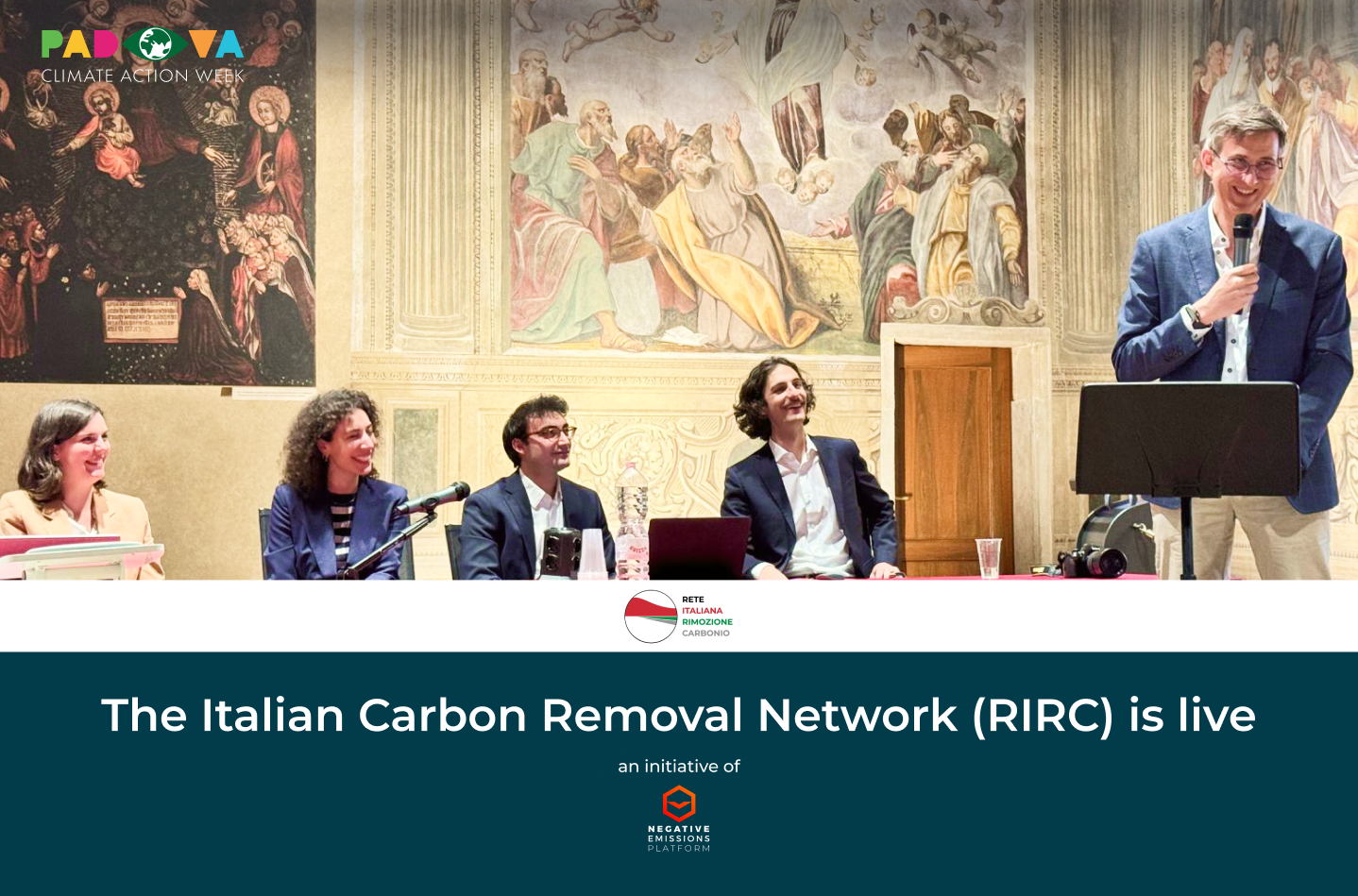
The Italian Carbon Removal Network is live.
The launch of the Rete Italiana Rimozione Carbonio (RIRC) marks an important milestone for the development of carbon dioxide removal in Italy. It shows that the discussion around CDR is no longer only happening at international level, but is beginning to take root in national contexts where policy, innovation and industry can come together in more concrete ways.
To mark this moment, the Negative Emissions Platform co-organised an event with RIRC in Padova focused on a question that is becoming increasingly urgent across Europe: how can countries build the ecosystems needed for carbon dioxide removal to develop responsibly and at scale?
The event brought together researchers, startups and sector representatives for an afternoon of presentations, discussion and networking on the future of CDR in Italy. The programme included opening remarks from RIRC and NEP, a presentation on the scientific foundations of carbon dioxide removal, an overview of the market and policy environment in Europe, and a panel featuring Italian startups working across different CDR pathways.
The discussion in Padova made one thing very clear: carbon dioxide removal is becoming a more serious part of the climate conversation. Emissions cuts must remain the first priority, but they will not be enough on their own to reach climate neutrality. Alongside rapid decarbonisation, high-quality carbon removals will also be needed.
In Chris Sherwood’s opening remarks, we reflected on the role that industry associations can play in helping this field grow in a credible and coordinated way.
“Building the carbon removals sector requires more than innovation alone. It also requires trusted conveners that can connect policymakers, industry, academia, investors and civil society, while helping the community develop shared norms and a common direction.”
This role matters because carbon dioxide removal does not sit neatly in one policy or business category. It touches climate policy, scientific research, finance, industrial development, public communication and environmental integrity. Industry associations can help connect these worlds. They can act as an interface with government, media, academia, investors, NGOs and industry, while also supporting dialogue within the CDR community itself. They also have an important role to play in helping shape norms, standards and shared direction in a young and fast-evolving sector.
We also stressed the importance of building this work locally.
European coordination is essential, but national ecosystems will determine how carbon removals develop in practice. Italy has its own industrial strengths, research base, policy debates and innovation potential. Building a strong local community around carbon removals is therefore not separate from building a European market, it is part of it. NEP was glad to pledge its support to this effort.
Another important contribution came from Sebastian Manhart, NEP Board Member, who offered a strong overview of the market and policy environment in Europe. His presentation showed how the wider context is evolving and why compliance markets are increasingly part of the discussion around the future of carbon removals. This helped place the Italian conversation within a broader European picture, where policy and market design are becoming just as important as technological progress.
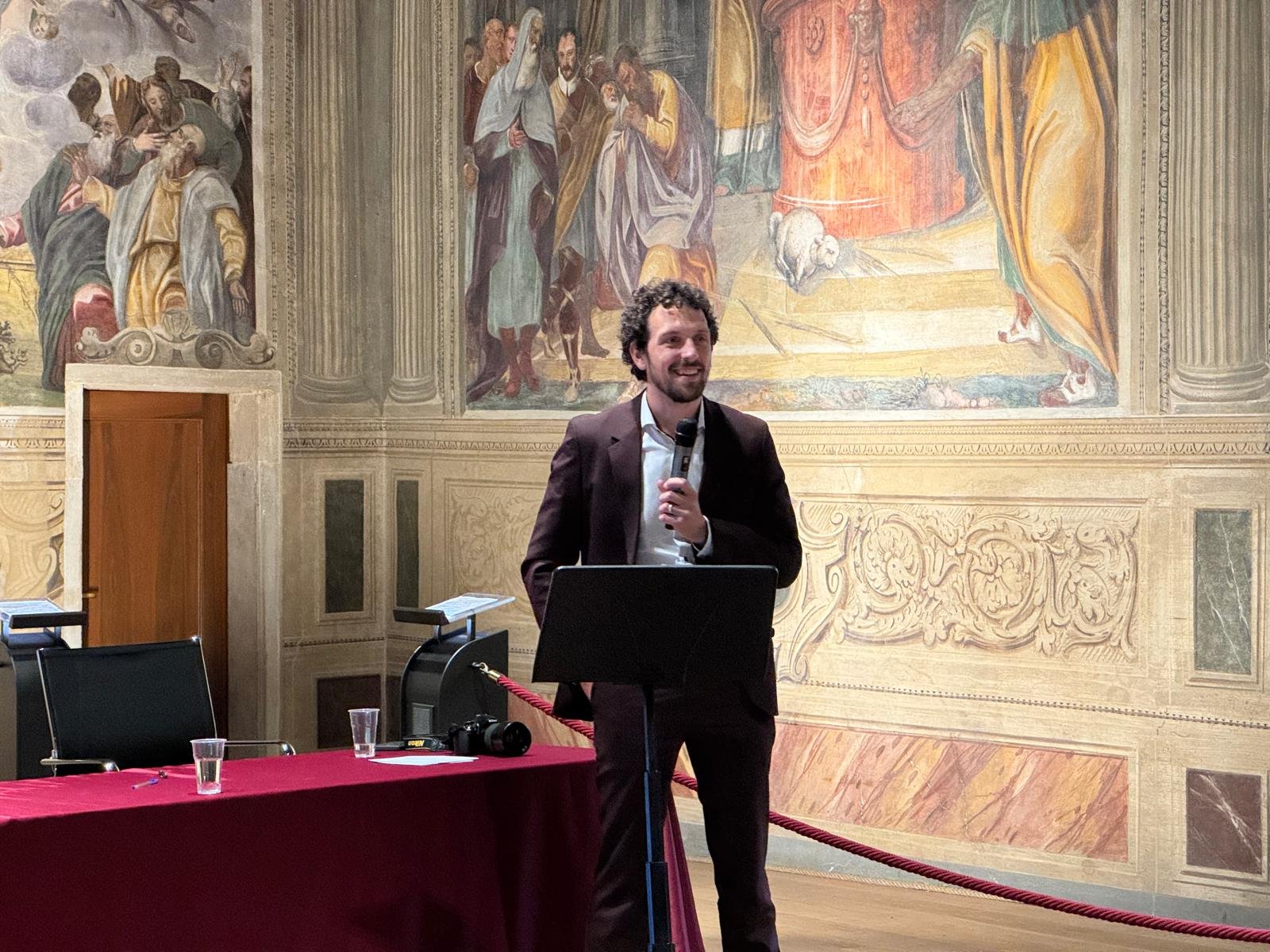
Silvia Scozzafava then focused on the scientific foundations of the topic, underlining a point that remains essential: carbon dioxide removal is necessary. Her presentation also compared different approaches to CDR and highlighted the need to understand their differences, strengths and limitations rather than treating the field as a single category.
The event concluded with a panel moderated by Lucia Brusegan, International Biochar Initiative, who brought together four startups to discuss not only what they are building, but what they need in order to succeed. This was one of the most valuable parts of the afternoon. It moved the conversation beyond technical explanations and towards a more practical question: what should Italy do if it wants to support the growth of a domestic CDR ecosystem?
The answers pointed to a familiar but important set of needs: policy clarity, investment, public understanding, credible standards, and a supportive environment for innovation. In other words, building a carbon removals sector is not only about developing technologies. It is also about creating the enabling conditions that allow those technologies to emerge, mature and scale responsibly.
That is why the launch of RIRC matters.
It creates a focal point for dialogue in Italy at a time when carbon removals are becoming more relevant to European climate strategy. It also helps build the kind of national ecosystem that will be needed if Europe wants to develop a strong, credible and well-governed CDR sector.
For the Negative Emissions Platform, it was a pleasure to support this first step. We look forward to continued collaboration with RIRC and with the wider Italian carbon removals community.
