

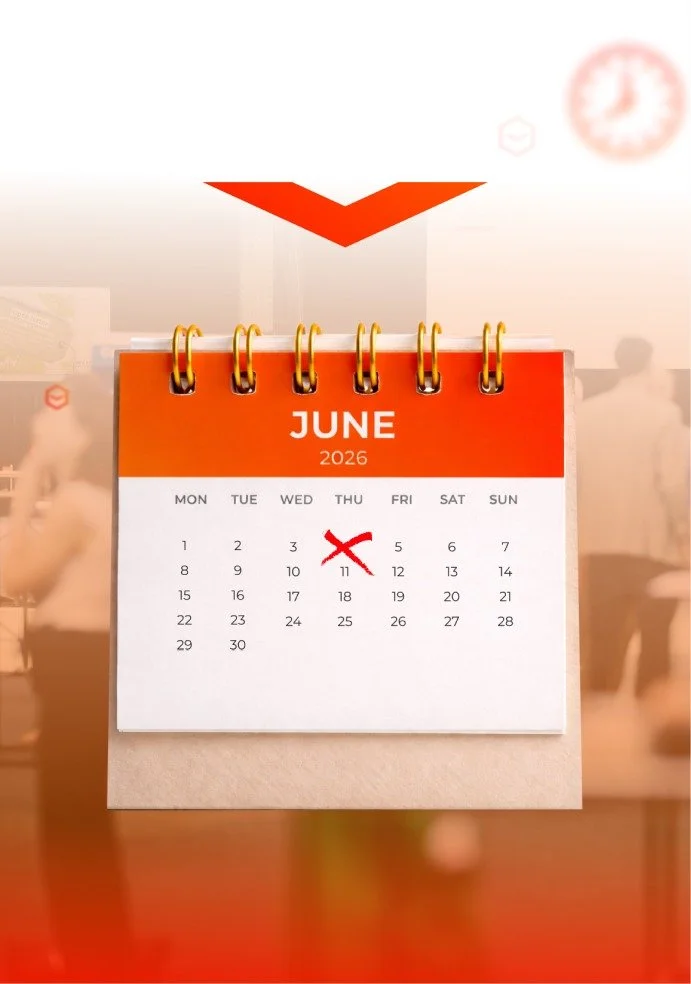
4 June 2026, Mix Brussels
Negative Emissions Summit 2026
Carbon removals: Europe’s new economic superpower
Demand generation for permanent carbon removals
Europe is entering the decade where durable, high-integrity carbon removals move from “promising” to “system-critical”. The Negative Emissions Summit 2026 convenes policymakers, industry leaders, investors, and CDR providers to focus on one central question:
How do we create credible, scalable demand for permanent carbon removals, fast enough to strengthen EU competitiveness, enable investment, and deliver climate outcomes?
This year’s Summit is built around the mechanisms that can unlock durable demand at scale, especially compliance-driven routes (including the EU ETS) and near-term public purchasing and support schemes that help Europe ramp up capacity before full compliance integration.
Agenda
-
-
-
Mr. Alex Engh, Deputy Director General, Climate Industry and Technology Department, Norwegian Ministry of Energy
Mr. Christian Holzleitner, Head of Unit for Land Economy and Carbon Removals, DG Clima, European Commission
Mr. David B. Frank, Director Policy Engagement in the Global Energy, Connectivity & Sustainability Policy Team, Microsoft
Ms. Sanne Rosendaal, Director Transition Accelerator, ING Bank
Moderator: Victoria Harvey, Head of CDR, ClimeFi
-
-
Keynote: MEP Niels Flemming Hansen, EPP, European Parliament
Adina Braha Honciuc, Schneider Electric
Molly Tinker, Climeworks
Marina García Alonso, DG CLIMA, European Commission
Louis Uzor, Carbon Gap
Antti Vihavainen, Puro.earth
Moderator: Alastair Collier, A Healthier Earth
-
-
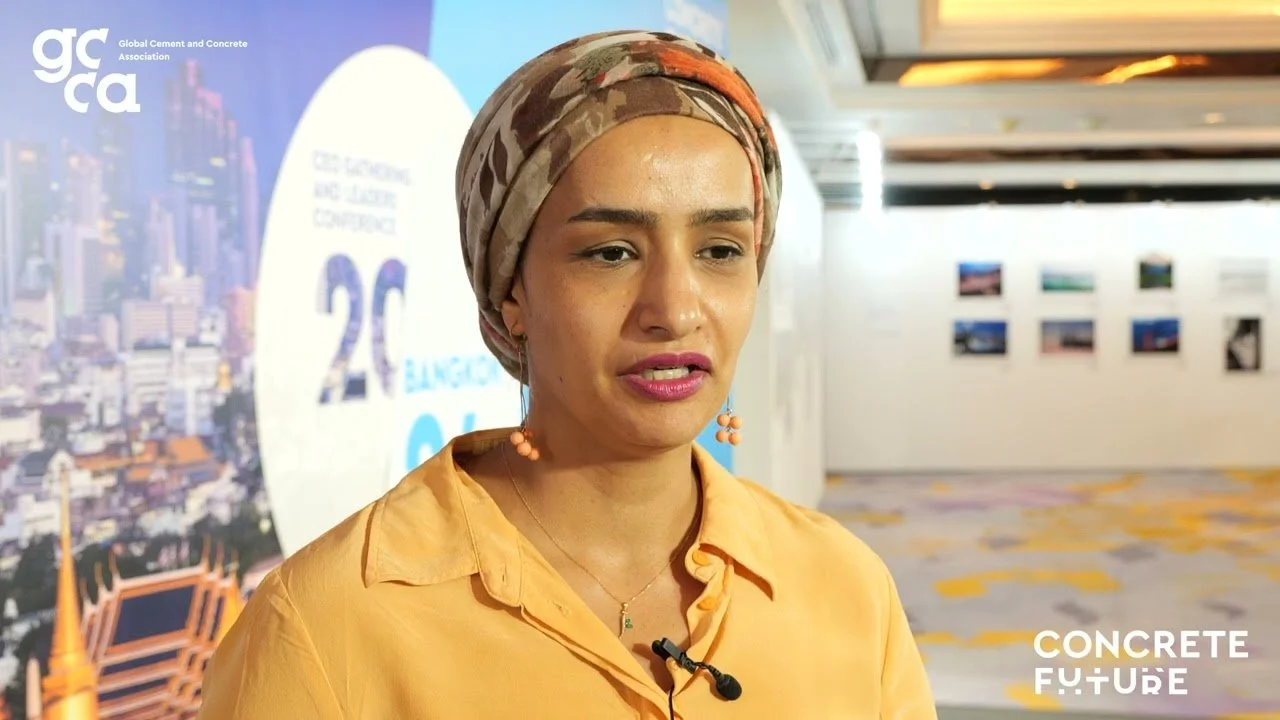
Rasha Abdrabu, Industrial Development Officer, Energy Systems and Industrial Decarbonization Unit, United Nations Industrial Development Organisation (UNIDO)
Jannicke Gerner Bjerkås, Director CCS and Carbon Markets, Hafslund Celsio
Michel Schenker, Innovation & Technical Marketing Manager, Omya
Lisa Braune, Head of CDR, Neustark
Moderator: Mike Scott, Reuters
-
-
-
Speakers
-
![David Frank]()
David Frank
Director, Policy Engagement in the Global Energy, Connectivity & Sustainability Policy Team, Microsoft
-
![Rasha Abdrabu]()
Rasha Abdrabu
Industrial Development Officer, United Nations Industrial Development Organisation (UNIDO)
-
![MEP Niels Flemming Hansen]()
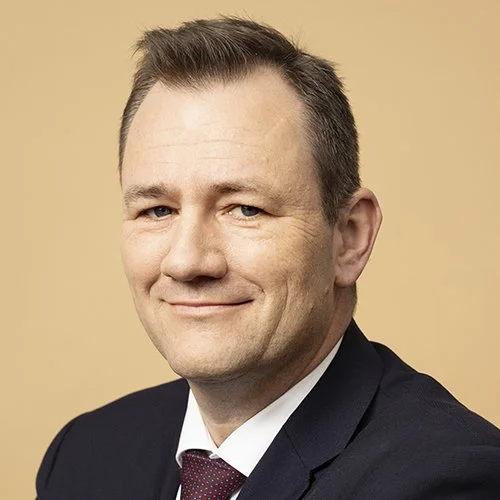
MEP Niels Flemming Hansen
Member of the European Parliament, Group of the European People's Party (Denmark)
-
![]()
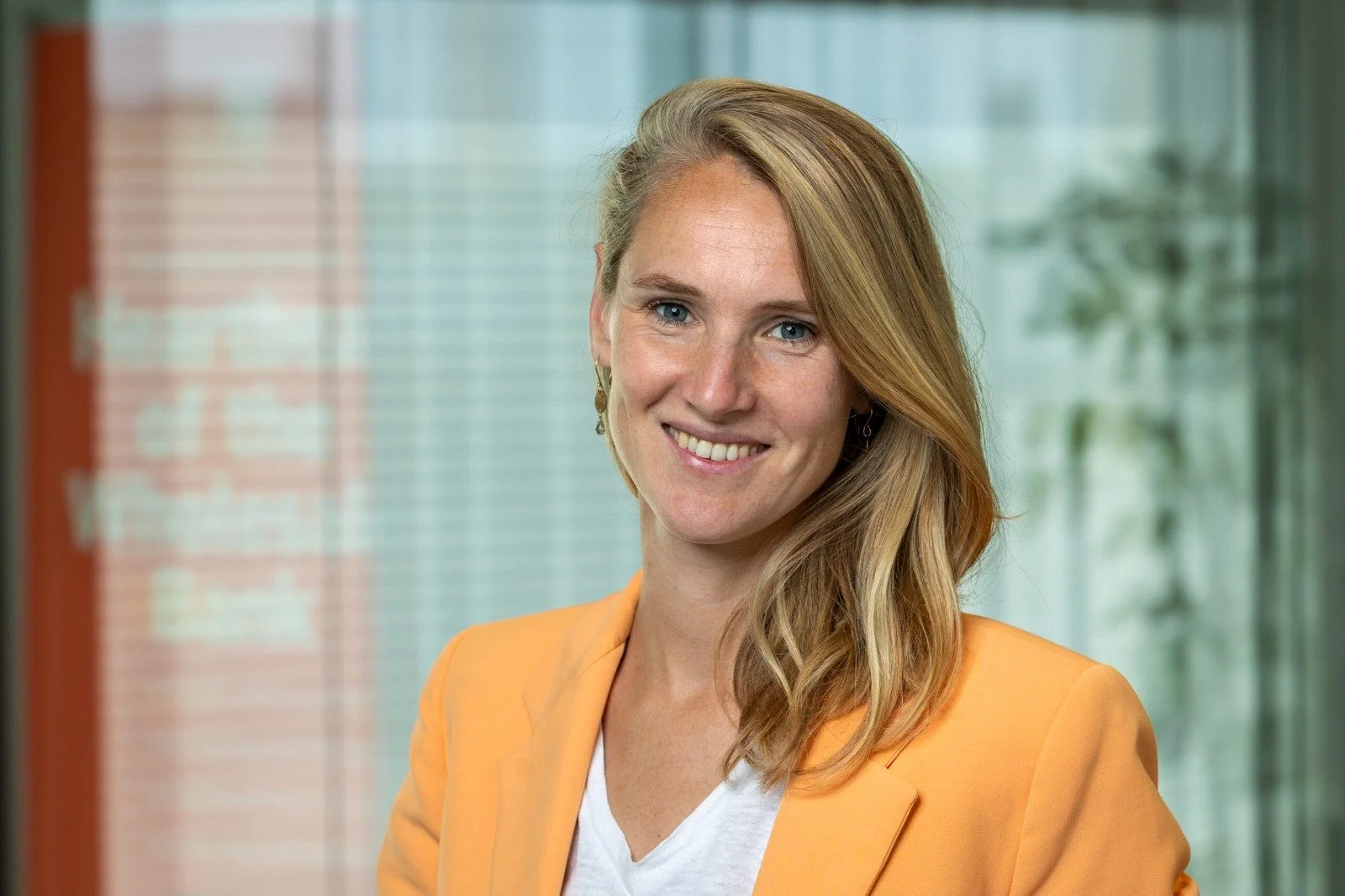
Sanne Rosendaal
Director, Transition Accelerator,
ING Bank -
![Adina Braha-Honciuc (Ellis)]()
Adina Braha-Honciuc (Ellis)
Global Policy Director, Climate and Environment & Carbon Dioxide Removal Lead, Schneider Electric
-
![Christian Holzleitner]()
Christian Holzleitner
Head of Unit, Land Economy and Carbon Removals, DG Clima, European Commission
-
![Alex Engh]()
Alexander Engh
Deputy Director General, Climate Industry and Technology Department, Norwegian Ministry of Energy
-
![Jannicke Gerner Bjerkås]()
Jannicke Gerner Bjerkås
Director CCS and Carbon Markets, Hafslund Celsio
-
![]()
Marina García Alonso
Legal officer, DG Climate Action, European Commission
-
![Michel Schenker]()
Michel Schenker
Innovation & Technical Marketing Manager, Omya
-
![Christoph Beuttler]()
Christoph Beuttler
Chief Executive Officer, Carbon Gap
-
![]()
Molly Tinker
Head of Carbon Markets, Climeworks
-
![Lisa Braune]()
Lisa Braune
Head of CDR, Neustark
-
![]()
Professor Myles Allen
Head of Atmospheric, Oceanic and Planetary Physics, University of Oxford
-
![Antti Vihavainen]()
Antti Vihavainen
Vice Chairman
Puro.earth -
![]()
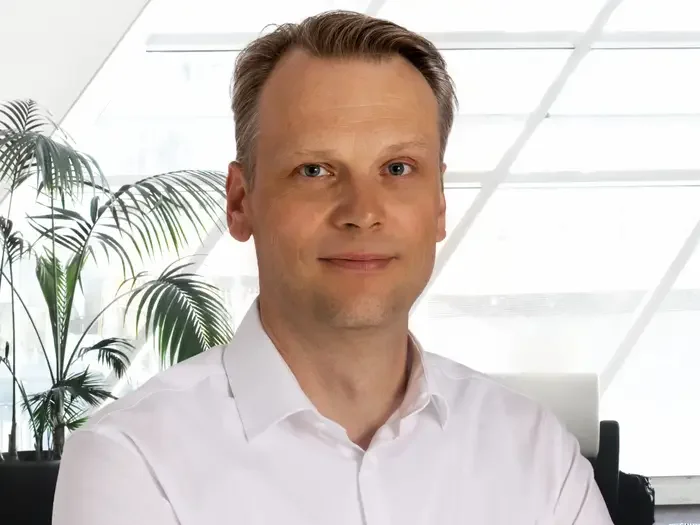
Tibor Siering
Expert on Industrial Decarbonisation and Climate Strategy, German Energy Agency (dena)








Moderators
-
![Mike Scott]()
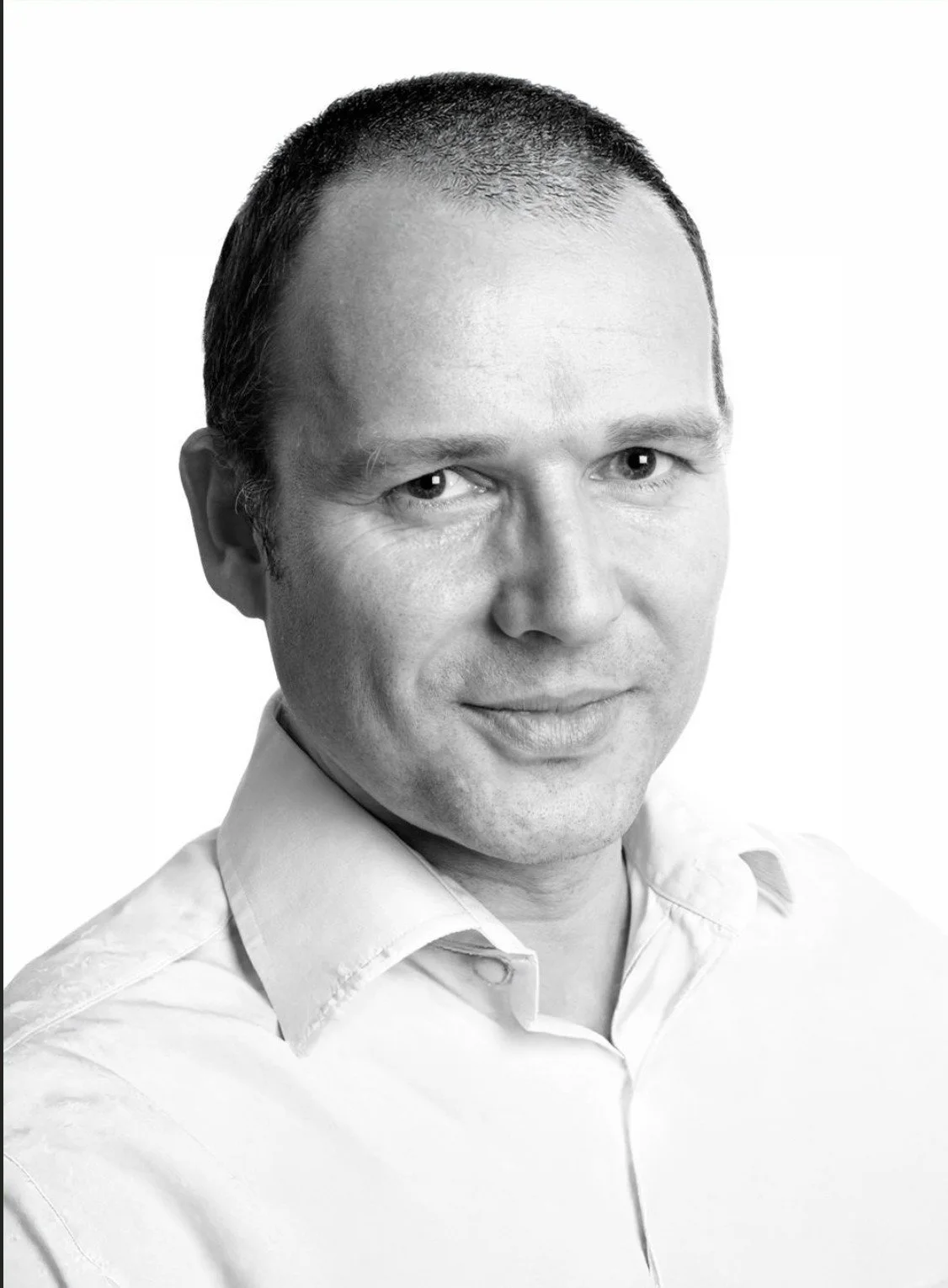
Mike Scott
Business and Sustainability Journalist, Reuters
-
![Sebastian Manhart]()
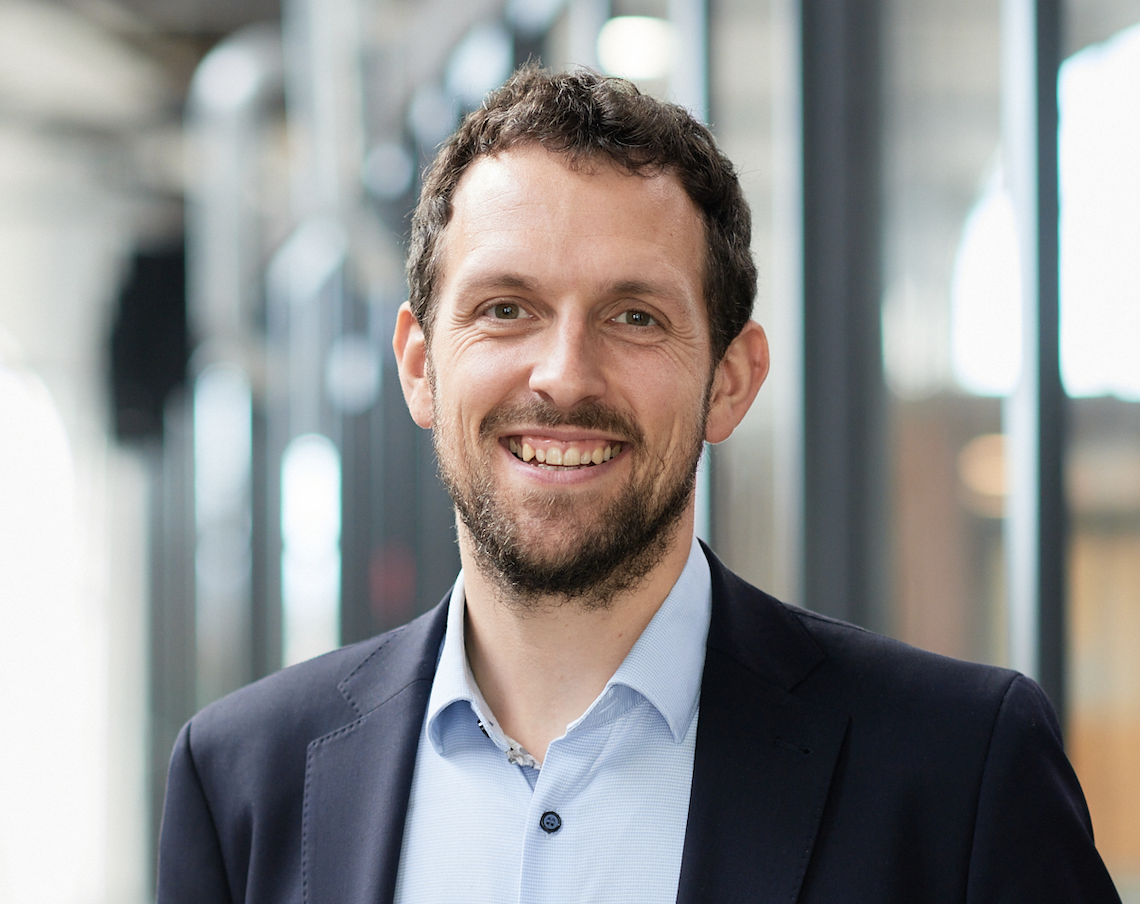
Sebastian Manhart
Moderator, CDR Policy Scoop
-
![]()
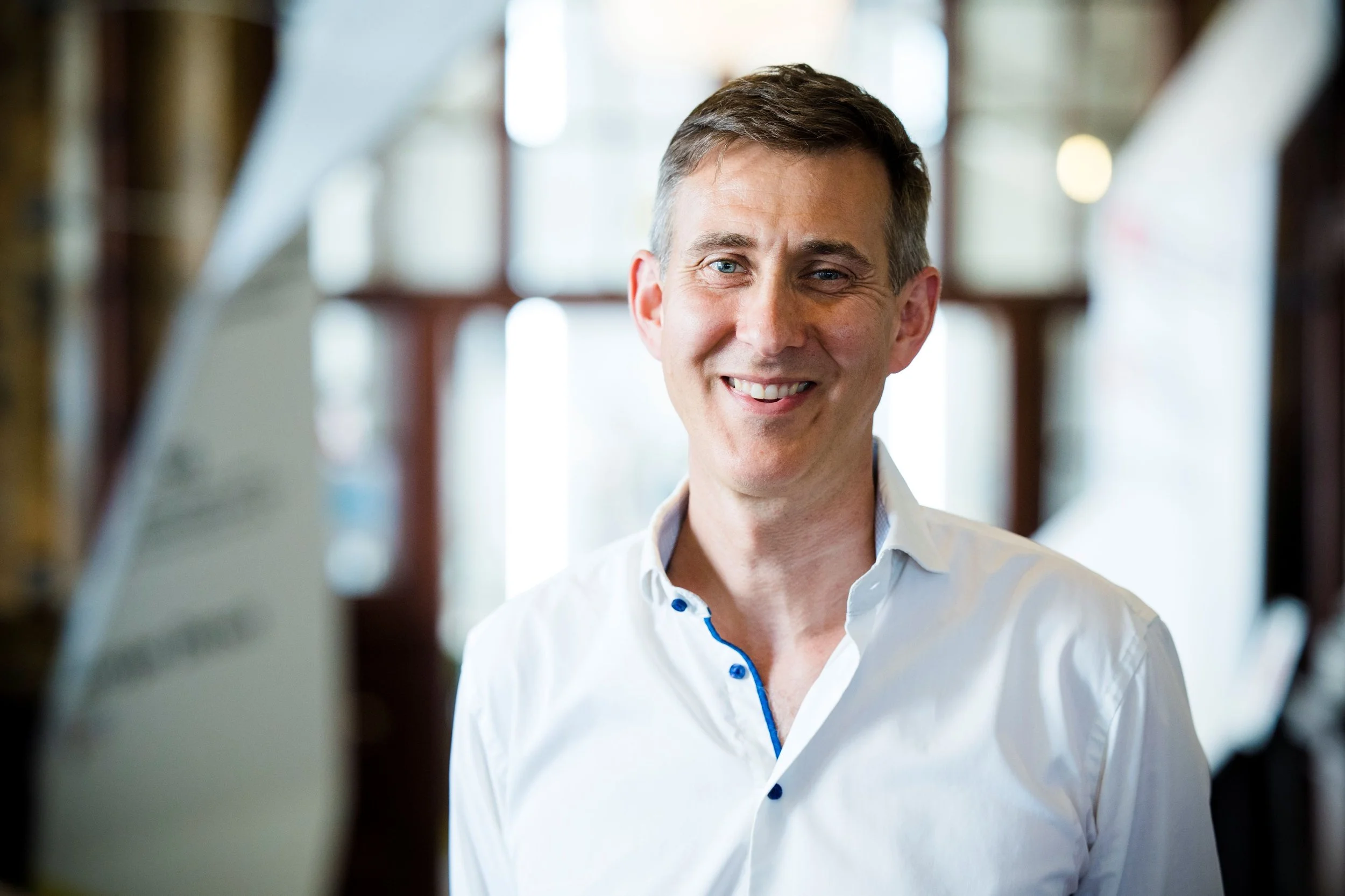
Chris Sherwood
Secretary-General, Negative Emissions Platform
-
![Victoria Harvey]()
Victoria Harvey
Head of CDR
ClimeFi

Sponsors
“Permanent carbon removals will soon be in EU climate law. Europe’s next step is to make demand real. With clear rules, clear timelines, and integrity at the core, we can build the market certainty needed to scale durable removals.”
Chris Sherwood, Secretary-General, Negative Emissions Platform
Panels
Who Buys Next? Governments Scaling Carbon Removal Markets
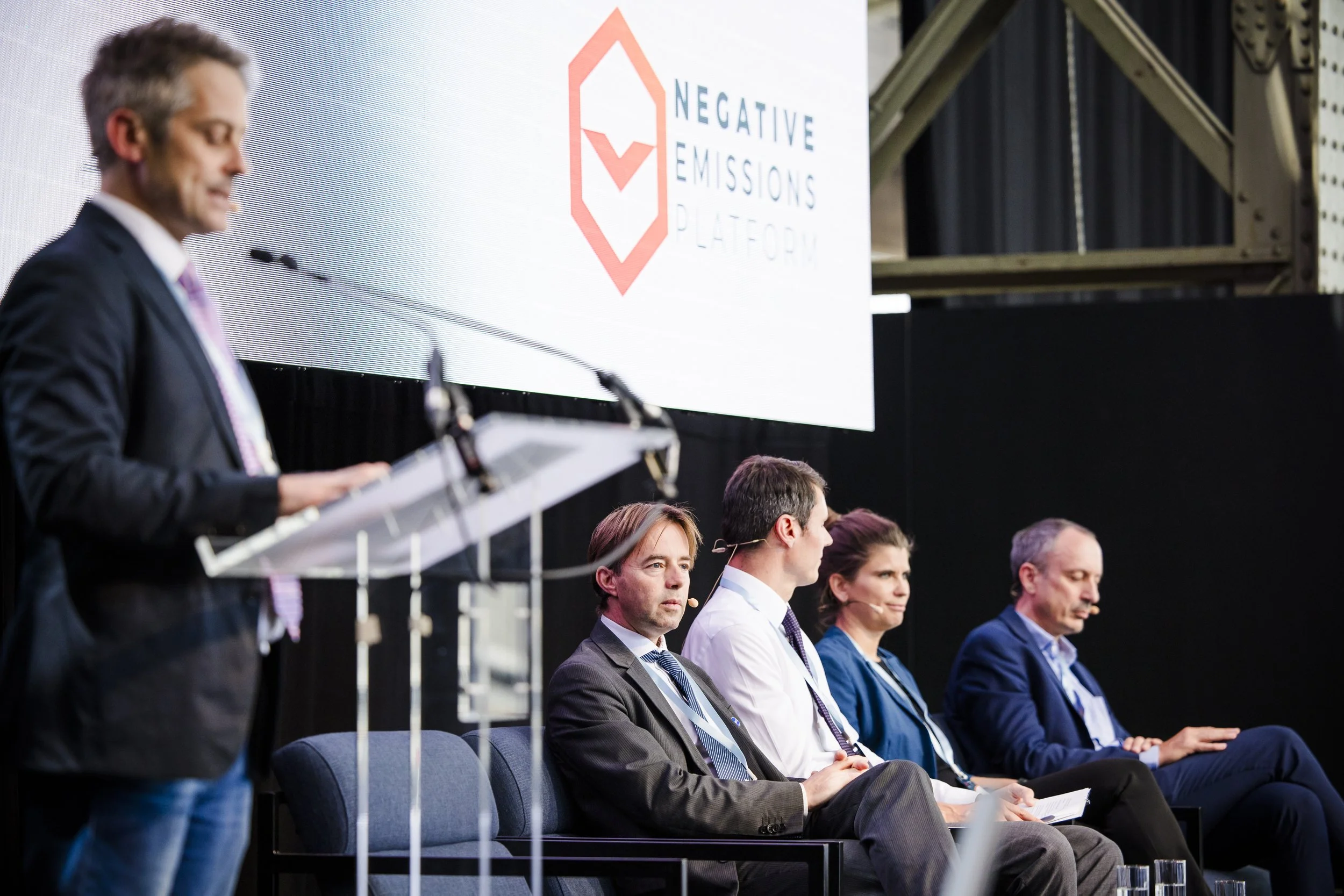
If Europe waits for full compliance integration to scale, it risks a slow ramp and a capacity gap. This session focuses on what governments can do now to build the market, accelerate learning, and crowd in private capital.
Topics include:
Public purchasing programmes that create early offtake and learning-by-doing.
How an EU-level Buyers’ Club and coordinated demand aggregation can reduce transaction friction and signal credibility.
How to ensure early public support prioritises permanence, quality, and verifiable storage, while helping multiple permanent pathways scale.
Compliance markets: ETS and sectoral obligations
This session gets specific about how compliance demand could work and what must be true for it to deliver real scale for permanent removals while keeping climate integrity strong.
We’ll cover:
What “good” looks like for ETS-linked demand: clear volumes, clear timelines, and clarity on how the cost gap is bridged between carbon prices and removal costs.
How compliance design can preserve the ETS as a decarbonisation tool while still enabling procurement of high-quality permanent removals for residual emissions.
The enabling layer: certification readiness and market rules that keep quality high and reduce uncertainty for buyers and investors (including issues like co-claiming and interaction with voluntary markets).
How sectoral obligations and adjacent files can create complementary demand signals.
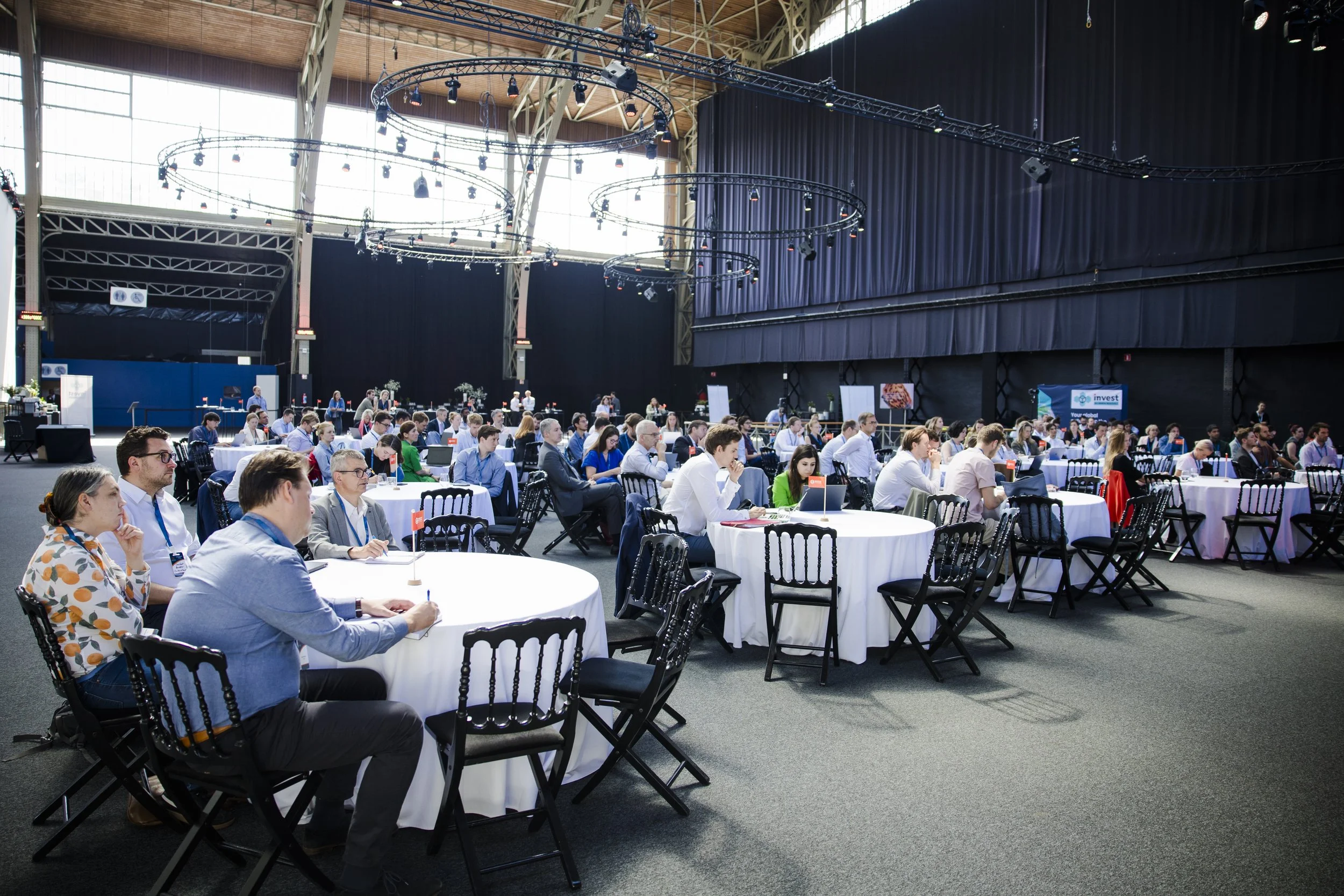
Industrial integration: permanent CDR as a mainstream economic activity
Permanent removals will scale faster when they are embedded into existing industrial systems where infrastructure, engineering capability, permitting experience, and supply chains already exist.
This session examines:
How heavy industry and other sectors can become producers of permanent removals (not just buyers), including integration opportunities across multiple pathways.
What investable industrial CDR looks like: revenue stacking, contractual structures, and how policy can reduce risk for first movers.
Where durable removals fit alongside voluntary demand—without undermining quality, credibility, or decarbonisation incentives.
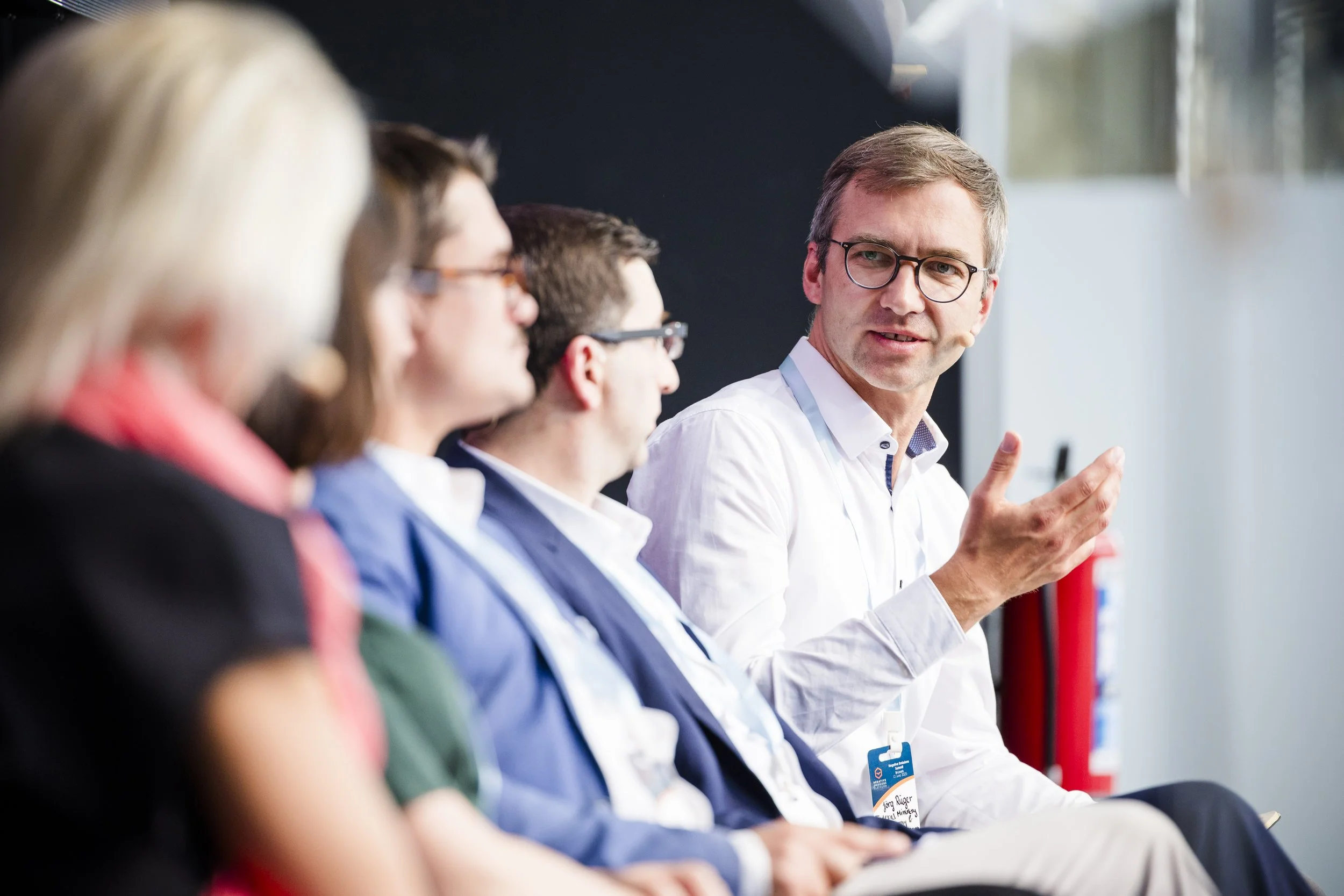
Fireside chat: Europe in a changing international carbon landscape
Global climate politics and carbon markets are shifting. This closing conversation explores Europe’s options and risks: international crediting discussions, Article 6 dynamics, trade-related pressures, and what a more competitive geopolitical context means for carbon removal strategy.
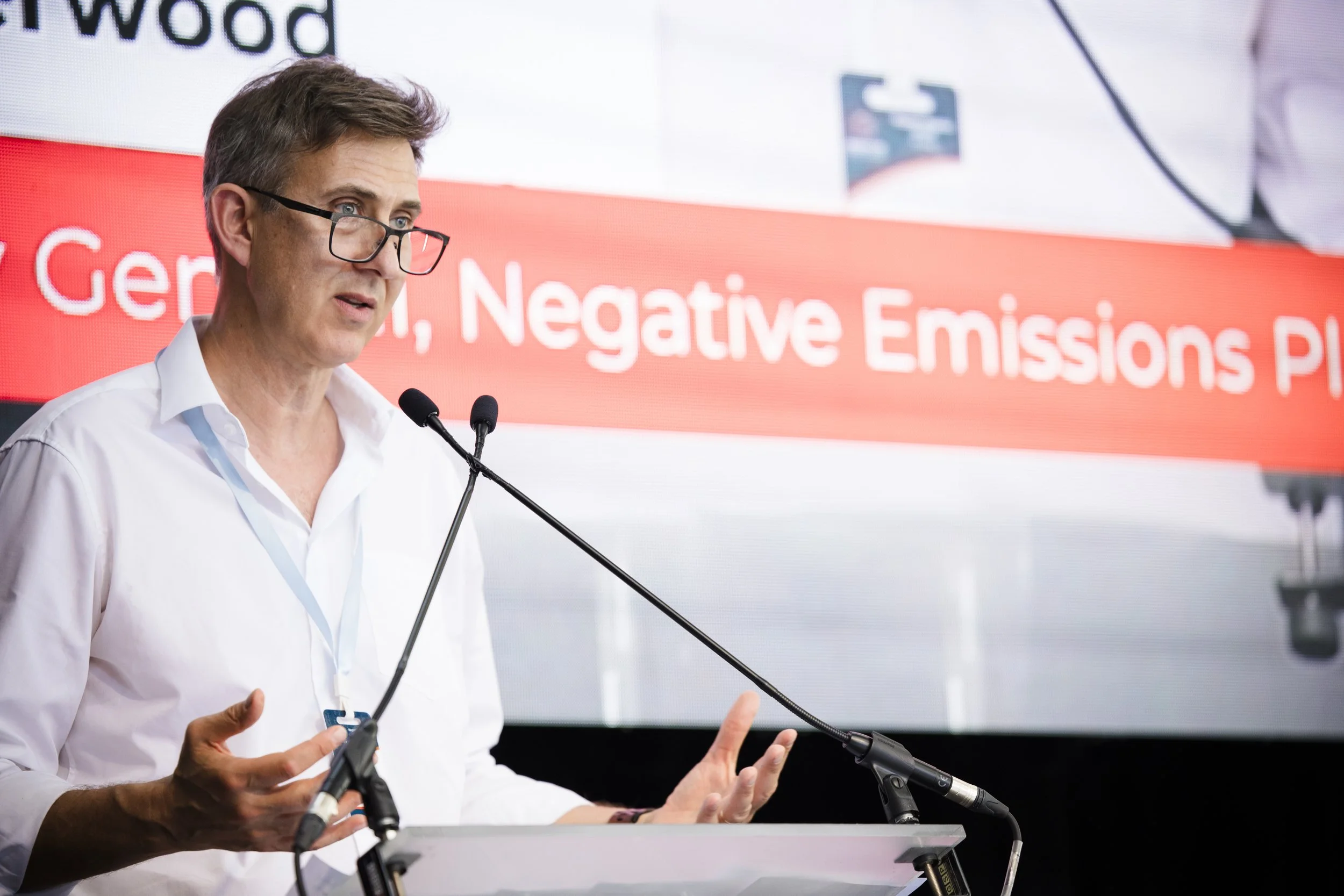
Exhibition
A showcase of the wider carbon removals ecosystem, this space will bring together the companies and partners helping build demand, enable deployment, and grow the market for permanent carbon removals in Europe. Aligned with the Summit’s themes, it will spotlight the wider value chain behind scale up, from carbon removal providers to the infrastructure, industrial, finance, and service actors needed to turn durable removals into a mainstream economic activity.

Negative Emissions Summit 2025
Watch the highlights reel of the 2025 edition of the Negative Emissions Summit and see what you’re in for