
Carbon Dioxide Removal Methods
Limiting global warming to 1.5°C requires more than cutting emissions. The science is clear: we must also actively remove carbon dioxide that is already in the atmosphere. Carbon dioxide removal (CDR) refers to a range of technologies and approaches that extract CO₂ from the air and store it durably — in soils, rocks, the ocean, or geological formations.
The Negative Emissions Platform represents the full spectrum of CDR methods. Each technology works differently, offers different levels of permanence, and faces different barriers to scaling. No single approach will be sufficient on its own. Europe needs a portfolio.
Explore the six major CDR methods below to understand how each works, where it is being deployed in Europe, and what policy frameworks are needed to help it scale.
Biochar Carbon Removal
Biochar is produced by heating organic waste material — agricultural residues, wood chips, or similar biomass — at high temperatures with limited oxygen. The resulting stable carbon-rich material can be incorporated into soil, concrete, or other durable matrices, locking away carbon for centuries or longer while often delivering co-benefits for soil health and agriculture.
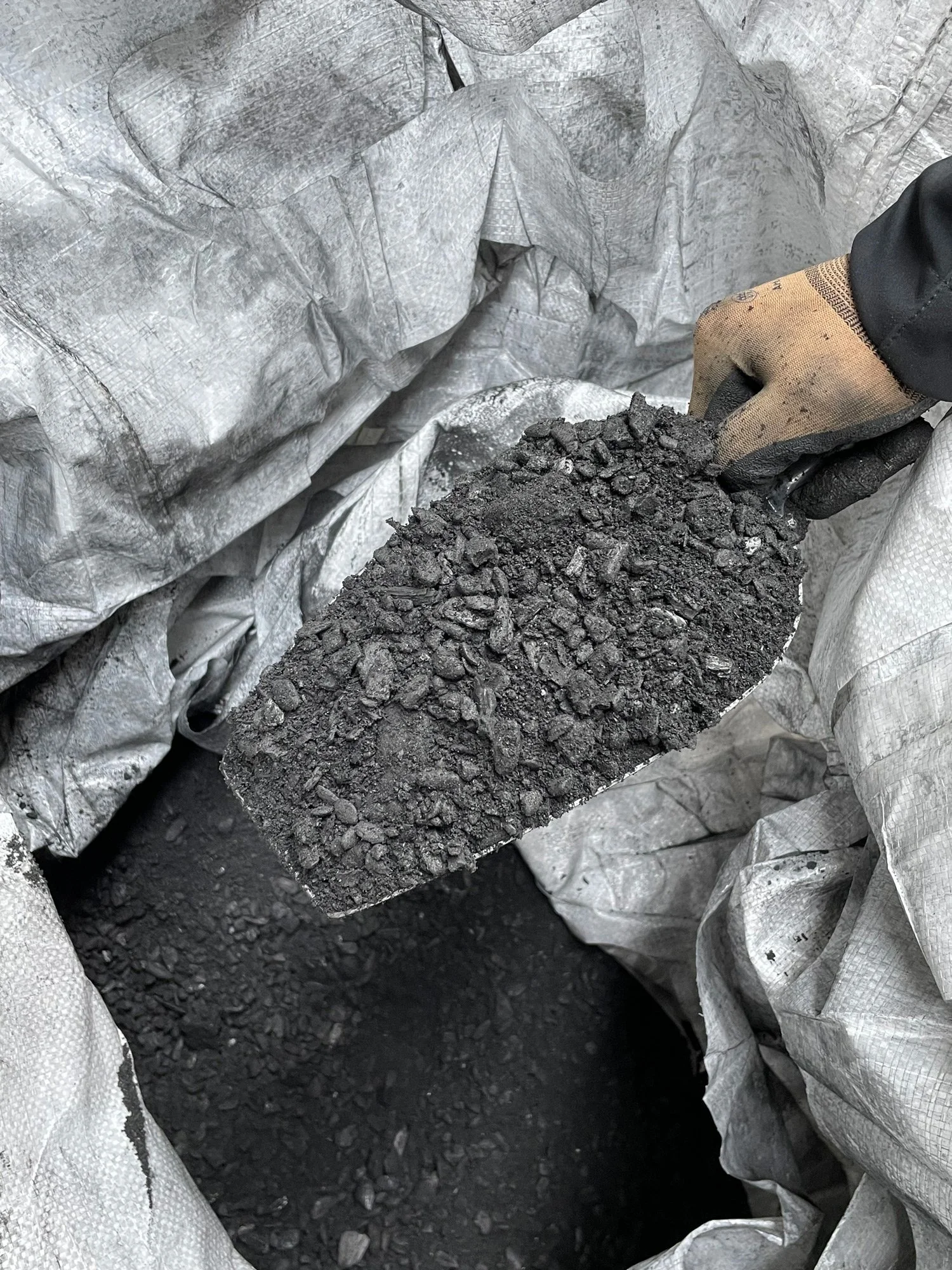

“Carbon is a natural part of our lives”. We should not be afraid of it. Biochar Carbon Removal (BCR) start-up Novocarbo is doing just that by removing CO₂ from the atmosphere and either turning it into biochar or into a wide array of other valuable outputs. The applications of the biochar they produce can be seen in agriculture (e.g. animal feed, soil improvement, fertilizer), concrete, flooring and many more. Learn all about some of the opportunities and challenges in scaling and driving down the cost of BCR and how Novocarbo manages to address knowledge gaps through education.”
Novocarbo
Direct Air Capture
Direct air capture (DAC) uses chemical processes to pull CO₂ directly from the ambient air, at any location, before compressing and storing it permanently in deep geological formations. Unlike point-source carbon capture, DAC addresses emissions from sectors where capture at source is impossible.
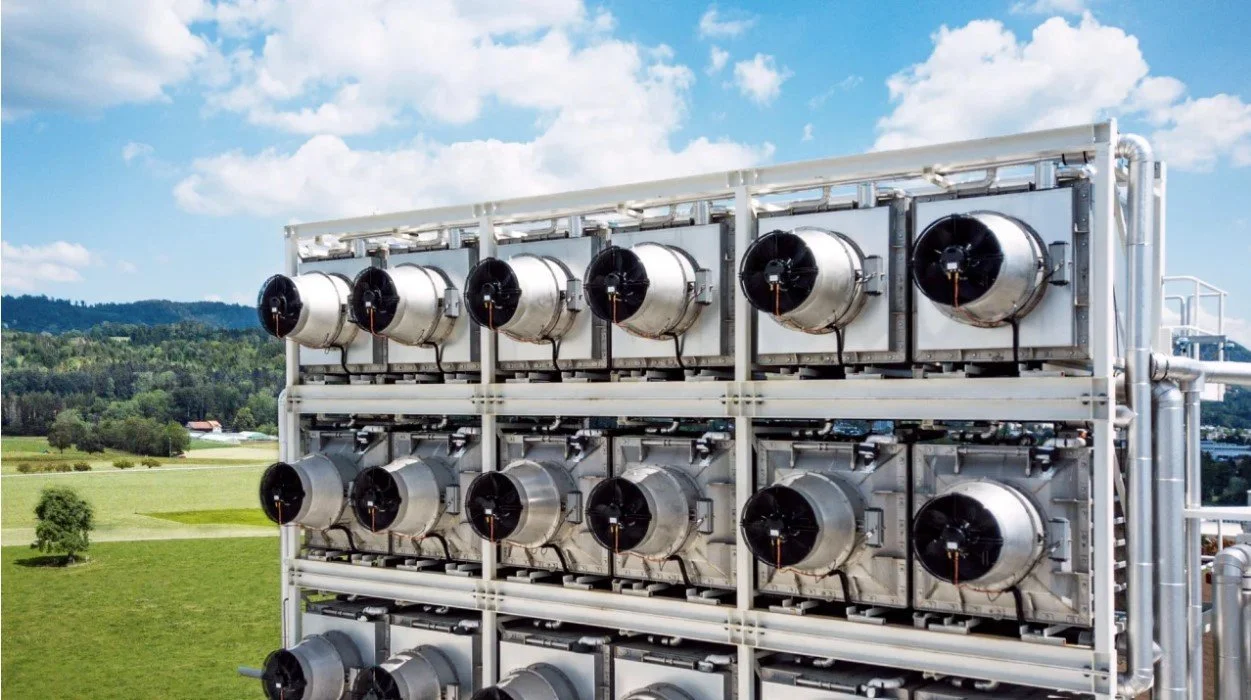

“Imagine a technology, incorporating a fast-swing process and CO2 absorbing substance and thus achieving carbon capture below 100 euros per ton! All with a low capex of 50 euros per ton. This is exactly what CDR technology provider Carbyon does. Read more about their commitment to prioritising sustainability over profit, aiming to reshape carbon capture and climate action.”
Carbyon
Bioenergy with Carbon Capture and Storage (BECCS)
Bioenergy with carbon capture and storage, or BECCS, involves capturing and permanently storing CO2 from processes where biomass is converted into fuels or directly burned to generate energy. Because plants absorb CO2 as they grow, this is a way of removing CO2 from the atmosphere.


“Drax has undergone a transformative journey, evolving from one of Europe’s largest coal-fired operators to a sustainability pioneer in bioenergy with carbon capture and storage (BECCS). Since 2012, Drax has reduced its generation scope 1 and 2 carbon emissions by ~99%, positioning itself as a leader in decarbonisation. We have interviewed Lewis Rodger, Carbon Markets Development Lead at Drax, to find out more about the recent BECCS methodology they have developed, their stance on emissions reductions and the role of governments and policymakers in creating standards and financial support schemes for BECCS and the wider carbon removal family.”
Drax
Enhanced Rock Weathering
Enhanced rock weathering (ERW) accelerates a natural geological process by spreading finely crushed silicate rock — typically basalt — on agricultural land. As the rock reacts with rainwater and CO₂, carbon is drawn down and stored in stable mineral compounds, while the soil may also benefit from improved fertility and reduced acidity.
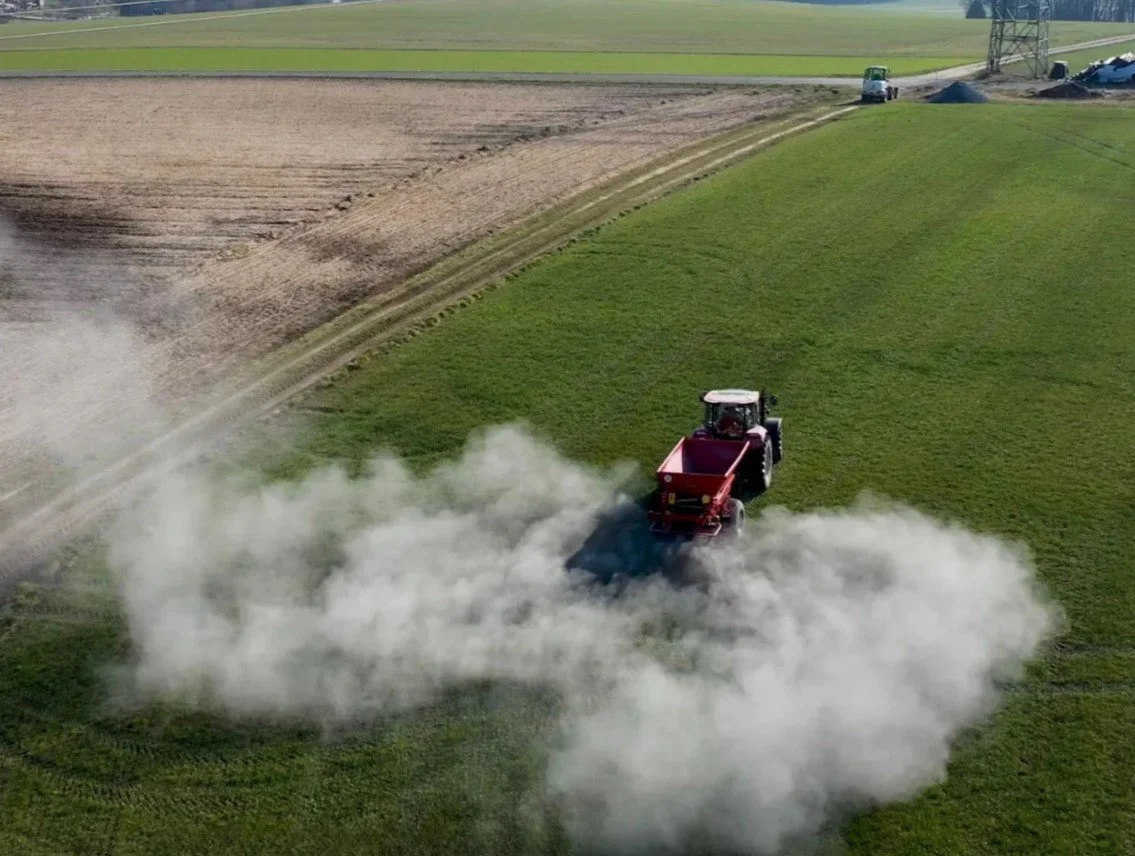

“As part of our ongoing exploration into innovative carbon dioxide removal (CDR) methods, we delve deep into the workings of reverce, a company with a focus on enhanced rock weathering (ERW). At the heart of reverce’s operations lies a comprehensive digital platform that orchestrates a symphony of collaboration among diverse partners. From scientific institutions providing crucial analysis to operational entities such as quarries and farmers, reverce seamlessly integrates every facet of its ERW process. Learn all about the importance of their work and their view on the challenges that the CDR sector is facing.”
reverce
Marine CDR
Oceans act as the world’s largest carbon storage sink, absorbing over 25 percent of anthropogenic carbon dioxide emissions. Marine CDR approaches seek to work with and enhance these natural processes — through methods such as ocean alkalinity enhancement and coastal enhanced weathering — to safely and verifiably increase the amount of carbon the ocean stores.


“Climate tech company Vesta is at the forefront of Coastal Enhanced Weathering (CEW), a technology which harnesses the natural alchemy of olivine sand to combat climate change and safeguard coastal communities. By enhancing ocean alkalinity, this innovative approach sequesters atmospheric carbon dioxide, offering a sustainable solution to the dual challenges of carbon emissions and sea-level rise. In this interview provided for the Negative Emissions Platform, Vesta showcases the effectiveness and safety of CEW, a technology with immense potential for scalability and a bright future in the carbon removal space.”
Vesta
Mineralisation
Carbon mineralisation accelerates the natural reaction between CO₂ and certain minerals, converting gaseous carbon into solid carbonate compounds that are chemically stable and effectively permanent. Applications include injecting CO₂ into basaltic rock formations and incorporating captured carbon into construction materials such as concrete.
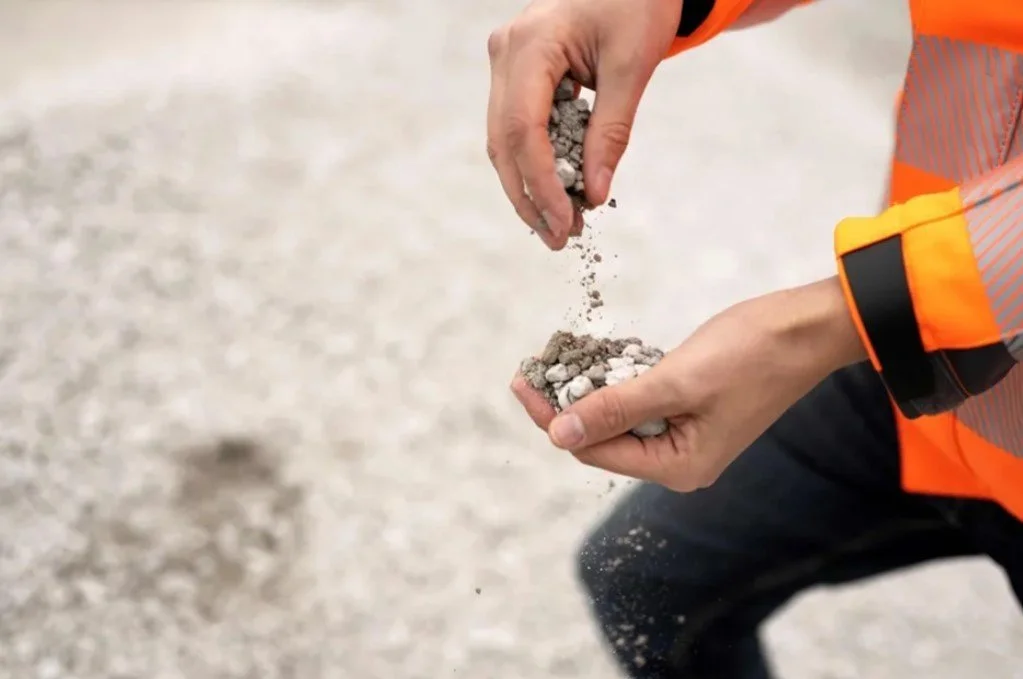

“neustark, a pioneer in Europe’s mineralisation landscape, has carved a revolutionary path in carbon removal through innovative technology. From transforming demolition concrete into a formidable carbon sink to pioneering strategic partnerships and venturing into tech-based carbon dioxide removal, neustark’s journey has been marked by significant milestones. The insights they have provided in this interview with the Negative Emissions Platform — of which they are a Member — shed light on the evolving role of mineralisation and the wider carbon removals space within the broader climate action spectrum.”