The Negative Emissions Platform welcomes Exomad Green as its newest member. Based in Bolivia, Exomad Green has grown from identifying a local forestry waste problem into the world’s largest biochar producer and the largest durable carbon removal supplier by delivered volume, showing how carbon removal can scale while supporting healthier soils, cleaner air and stronger local communities.
From forestry residues to permanent carbon removal
Exomad Green’s story began as a wood company, producing musical instruments, furniture and other high-value products, the company saw large volumes of sustainable forestry residues incinerated in open pits at sawmills across Bolivia. The material was treated as waste, while the resulting smoke affected air quality in surrounding communities.
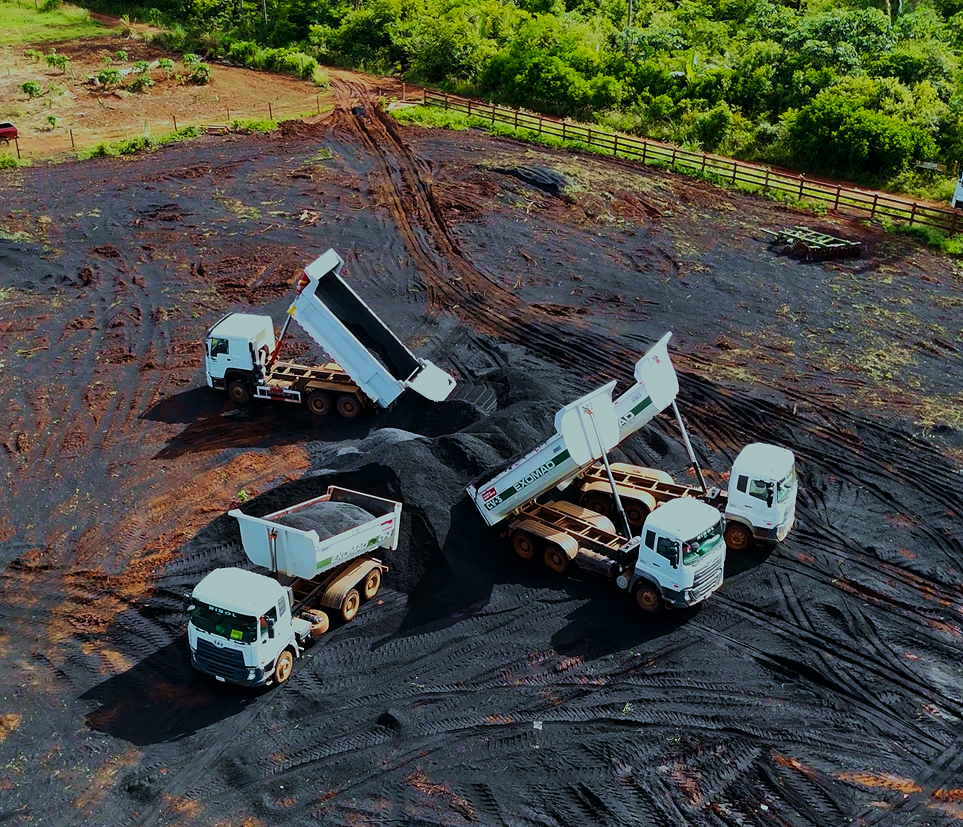
Exomad Green was created to provide an alternative. The company works with strictly vetted sawmills, collecting sustainably sourced forestry residues and converting them into biochar through pyrolysis. Rather than allowing the carbon contained in the biomass to return quickly to the atmosphere, the process locks it into a stable form that can store carbon for hundreds of years.
The result is a circular model that connects waste management, permanent carbon removal and agricultural regeneration.
Exomad Green donates its entire biochar production to Indigenous communities and local farmers, where it is used to restore degraded soils, improve water and nutrient retention, and support agricultural productivity. By helping farmers make better use of existing land, the company also aims to reduce pressure to expand agriculture into surrounding ecosystems. Revenue from the carbon market supports these donations, as well as continued research into the wider applications of biochar.
Carbon removal already being delivered at scale
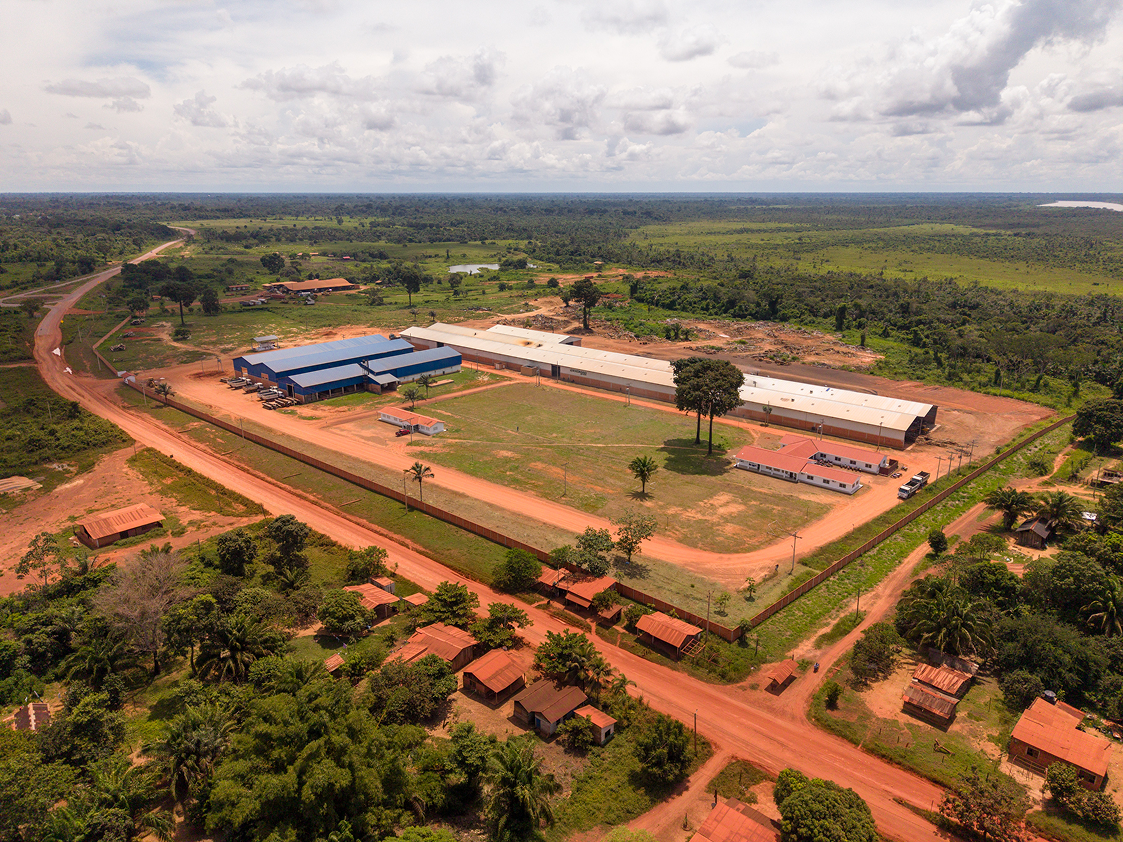
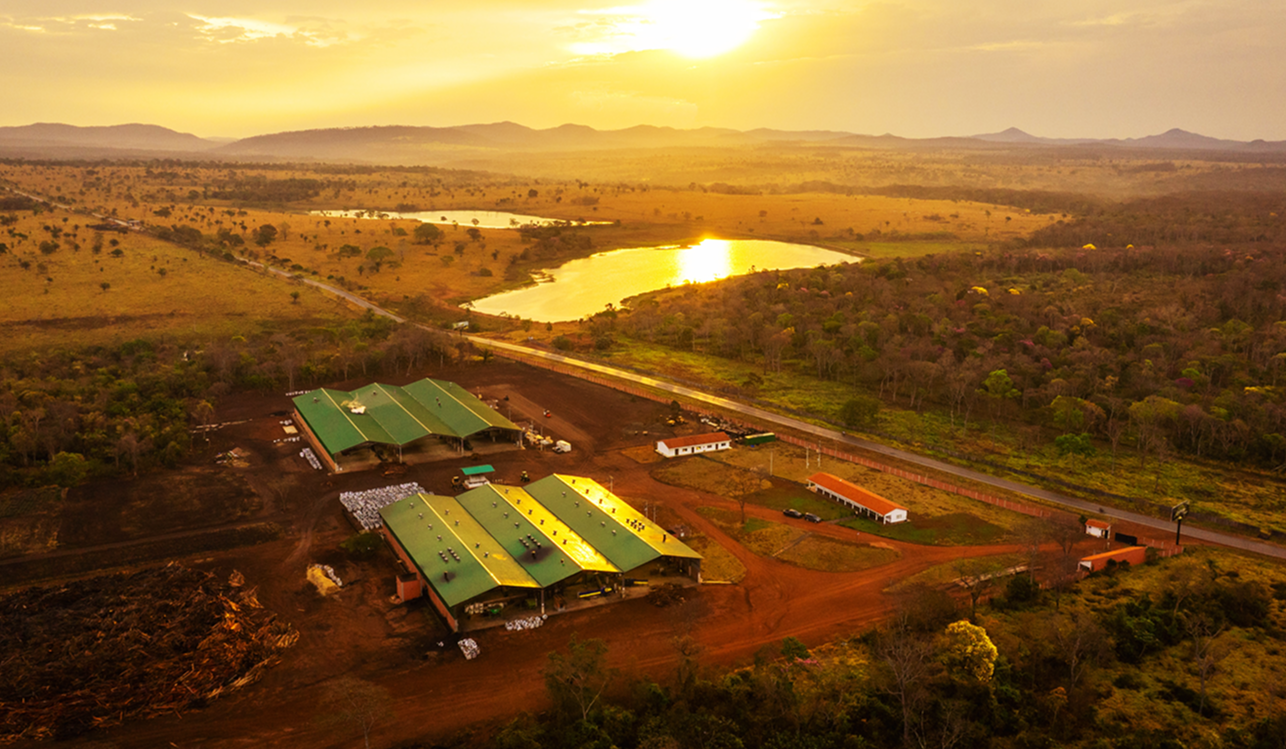
Exomad Green currently operates industrial facilities in Concepción and Riberalta, with a third facility recently becoming online in Guarayos. Its three operational sites have the capacity to remove approximately 420,000 tonnes of CO₂ each year, while the company is working towards one million tonnes of annual removal capacity by 2027.
By September 2026, Exomad Green had contracted more than 2.3 million tonnes of durable carbon removal and delivered over 429,000 tonnes. Its buyers and partners include Microsoft, Lufthansa, Boeing, BCG and NextGen, among others.
These figures place Exomad Green at the forefront of a shift already taking place across the carbon removal market: from future capacity and pilot projects towards verified tonnes delivered by operational facilities.
What Exomad Green brings to NEP
Scaling permanent carbon removal requires policy frameworks that recognise not only technological potential, but also the practical realities of building and operating projects at industrial scale.
Exomad Green brings to NEP direct experience of sourcing biomass responsibly, operating large biochar facilities, working with global buyers and building monitoring, reporting and verification systems across the full carbon removal process. Its work also demonstrates how carbon removal can create value beyond the carbon credit itself, i.e. through rural employment, improved air quality, agricultural resilience and investment in communities.
As part of NEP, Exomad Green will contribute this operational and international perspective to discussions on certification, market integrity, demand creation and the policies needed to scale a diverse portfolio of permanent carbon removal methods.
A word from Exomad Green
“As a leader in carbon removal, Exomad Green is committed to helping the wider industry advance. Joining the Negative Emissions Platform allows us to share our experience in delivering at scale and support the policies, partnerships and initiatives needed to accelerate high-quality carbon removal worldwide.”
- Diego Justiniano, CEO and Founder of Exomad Green
NEP looks forward to working with Exomad Green and its members to advance the policy and market conditions needed to move permanent carbon removal from early deployment to reliable, industrial-scale delivery.