

The Role of Carbon Removals in the Climate Crisis
Paper · October 2026
By Ben Todd (Carbon Gap)
The climate crisis is fundamentally a story of imbalance. Since the Industrial Revolution, burning fossil fuels has pushed atmospheric CO₂ from around 280 parts per million to more than 425 today. Natural sinks such as forests and oceans, which together absorb roughly 23 gigatonnes of CO₂ a year, cannot keep pace with the roughly 40 gigatonnes humans emit annually. Even the most ambitious emissions cuts will not reverse the warming this has already caused, nor address emissions from sectors that are simply too difficult to decarbonise. As a consequence, every Intergovernmental Panel on Climate Change (IPCC) pathway to a stable climate requires actively removing carbon dioxide from the atmosphere and storing it long-term, alongside deep cuts to emissions. This is where carbon dioxide removal, or CDR, comes in.
What Is Carbon Dioxide Removal?
CDR is the process of pulling CO₂ out of the atmosphere and storing it safely. Methods to do so are technological, nature-based, or a hybrid of the two. These methods range from restoring forests and wetlands, which draw down carbon naturally but store it less permanently, to engineered approaches such as direct air capture, which extract CO₂ using industrial processes and can store it underground for millennia.
Net zero refers to the balance point between how much CO₂ we emit into the atmosphere and how much we remove from it. We need to dramatically cut emissions and dramatically scale up human carbon removal activity to reach Net Zero.
What makes CDR distinct is that it generates ‘negative emissions’, setting it apart from two commonly confused technologies. Carbon capture and storage (CCS) captures CO₂ at the point of emission, before it reaches the atmosphere, which avoids new emissions but does nothing to address what is already there. Carbon capture and utilisation (CCU) converts captured carbon into products such as fuels or building materials, which can delay emissions but often does not stop the carbon eventually re-entering the atmosphere. CDR is the only one of the three that tackles historical emissions and can bring total emissions below zero.
You’ll have probably heard of the term Net Zero in the context of climate goals for businesses or countries. Net Zero is the point where the volume of human greenhouse gas emissions and greenhouse gas removals are in equilibrium. We focus on one greenhouse gas, carbon dioxide, as this one compound is responsible for roughly two-thirds of total human-caused global warming. This focus comes with its own Net Zero term: Net Zero Carbon, which involves balancing out CO₂ emissions with carbon removals. In other words, CDR acts as the ‘Net’ in ‘Net Zero Carbon.’ As CDR can only remove CO₂ from the atmosphere, it does not replace the need to reduce emissions from other greenhouse gas emissions, such as methane and nitrous oxide. The European Union has a legally binding target to achieve Net Zero greenhouse gas emissions by 2050 under the European Climate Law.
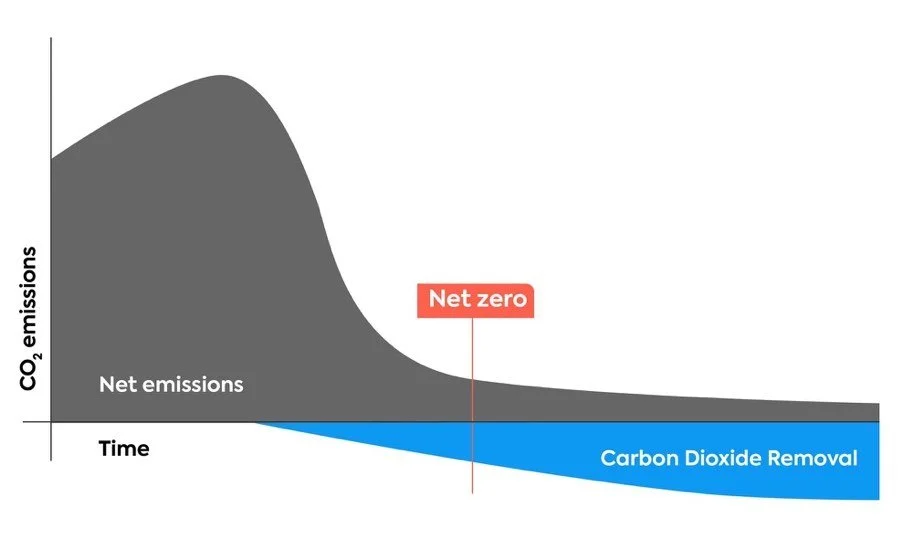
Net zero refers to the balance point between how much CO₂ we emit into the atmosphere and how much we remove from it. We need to dramatically cut emissions and dramatically scale up human carbon removal activity to reach Net Zero.
What makes CDR distinct is that it generates ‘negative emissions’, setting it apart from two commonly confused technologies. Carbon capture and storage (CCS) captures CO₂ at the point of emission, before it reaches the atmosphere, which avoids new emissions but does nothing to address what is already there. Carbon capture and utilisation (CCU) converts captured carbon into products such as fuels or building materials, which can delay emissions but often does not stop the carbon eventually re-entering the atmosphere. CDR is the only one of the three that tackles historical emissions and can bring total emissions below zero.
You’ll have probably heard of the term Net Zero in the context of climate goals for businesses or countries. Net Zero is the point where the volume of human greenhouse gas emissions and greenhouse gas removals are in equilibrium. We focus on one greenhouse gas, carbon dioxide, as this one compound is responsible for roughly two-thirds of total human-caused global warming. This focus comes with its own Net Zero term: Net Zero Carbon, which involves balancing out CO₂ emissions with carbon removals. In other words, CDR acts as the ‘Net’ in ‘Net Zero Carbon.’ As CDR can only remove CO₂ from the atmosphere, it does not replace the need to reduce emissions from other greenhouse gas emissions, such as methane and nitrous oxide. The European Union has a legally binding target to achieve Net Zero greenhouse gas emissions by 2050 under the European Climate Law.
Why The World Needs Removals
The IPCC has been clear that reaching global climate goals will require both steep emissions cuts and a substantial scale-up of carbon removal. A recent UNEP report has reinforced the fact that we are going to overshoot the Paris Agreement threshold of 1.5 degrees Celsius temperature rise. It now puts the optimistic scenario for limiting warming at 1.8 degrees if we act rapidly and collectively. It’s clear that we must stop the bleeding, so to speak, so that warming plateaus. We then must enter a period of large-scale CDR that draws temperatures back down.
The scale required is monumental. Estimates suggest the world will need to remove 8 to 10 gigatonnes of CO₂ every year by 2050, a volume roughly equivalent to today’s combined emissions from the global oil and gas trade. The global carbon dioxide removal industry currently captures approximately 2.2 gigatonnes of CO₂ per year. 99.9% of this figure is conventional, nature-based methods like afforestation and reforestation, while novel, engineered CDR methods account for just 2 million tonnes annually. This will need to shift drastically.
The 3rd Edition of the State of CDR Report points to a 2030 interim target of a 95% (3.3 gigatonnes) / 5% (150-200 megatonnes) split of conventional to novel CDR respectively. It’s forecasted that to reach Net Zero, we will need to be closer to a 60% (5.25 gigatonnes) / 40% (3.5 gigatonnes) split by 2050. Note the sheer volume increase needed from 2026 to 2030 to 2050 to achieve these aims. Massive investment is needed on both fronts to develop a diverse portfolio of permanent CDR approaches.
A Diversity of Methods
We know we need to ramp up CDR production. Ultimately we will need a portfolio of carbon removal methods, both in terms of conventional and temporary CDR, but also highly-durable and permanent CDR. The good news is that, depending on how one classifies methods, there are as many as 25 different approaches to generate CDR!
Each method comes with its own opportunities, challenges, costs and potential scale. No single technology will solve this problem; we will need a diverse portfolio of methods to deliver the volumes of CDR required while managing the different environmental, economic and social considerations involved. Building this portfolio will mean taking into account the circumstances and resources available in different countries and regions, including factors such as land availability, access to ocean, biomass and other feedstocks, renewable energy potential, geological storage capacity, infrastructure and existing industries.
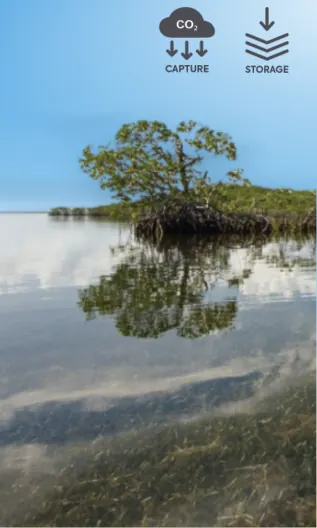 Read about this approach
- Readiness
- High
- Storage duration
- Decades to centuries
- Reversal risk
- High
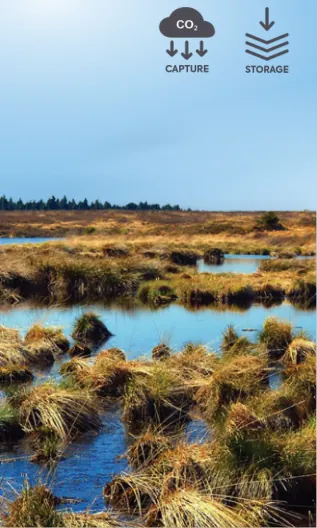 Read about this approach
- Readiness
- High
- Storage duration
- Centuries to millennia
- Reversal risk
- High
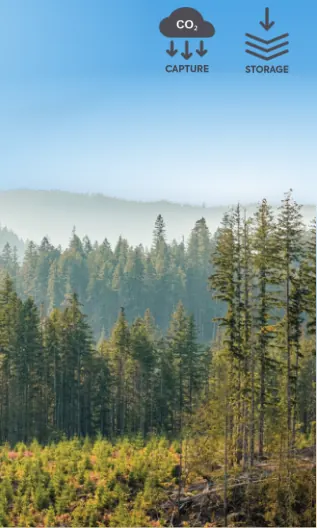 Read about this approach
- Readiness
- High
- Storage duration
- Decades to centuries
- Reversal risk
- High
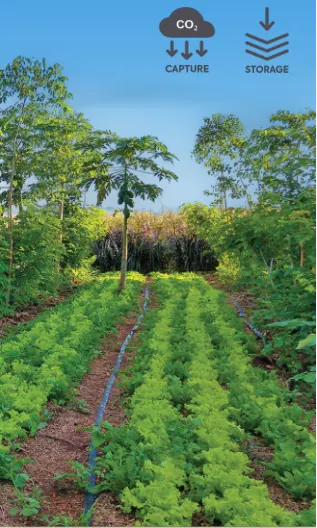 Read about this approach
- Readiness
- High
- Storage duration
- Decades to centuries
- Reversal risk
- High
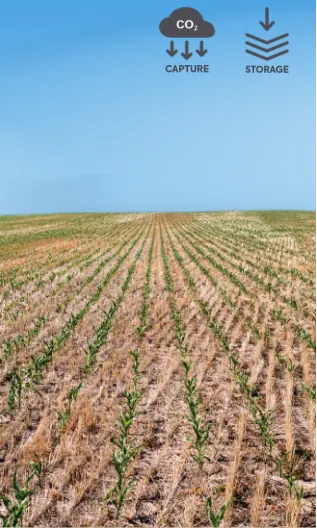 Read about this approach
- Readiness
- High
- Storage duration
- Decades to centuries*
- Reversal risk
- High
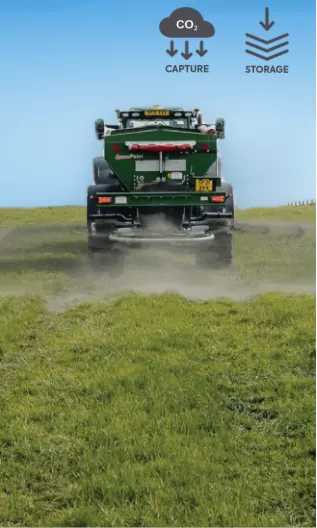 Read about this approach
- Readiness
- Moderate
- Storage duration
- Centuries to millennia
- Reversal risk
- Low
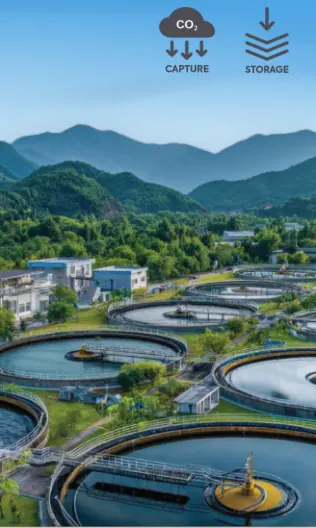 Read about this approach
- Readiness
- Moderate
- Storage duration
- Centuries to millennia
- Reversal risk
- Low
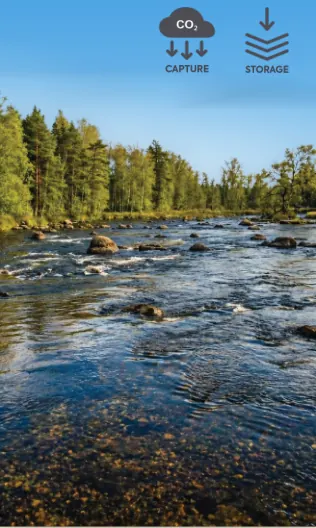 Read about this approach
- Readiness
- Moderate
- Storage duration
- Centuries to millennia
- Reversal risk
- Low
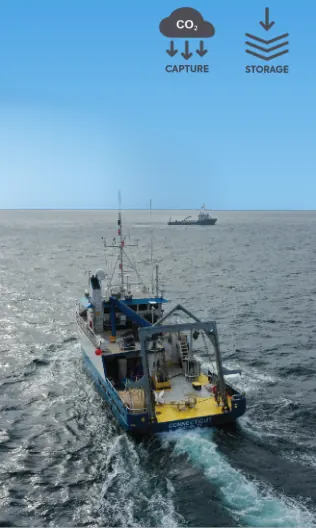 Read about this approach
- Readiness
- Moderate
- Storage duration
- Centuries to millennia
- Reversal risk
- Low
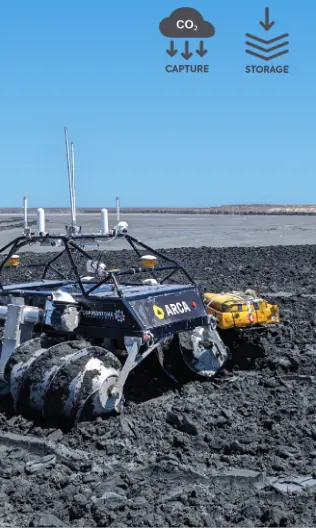 Read about this approach
- Readiness
- Moderate
- Storage duration
- 10,000+ years
- Reversal risk
- Negligible
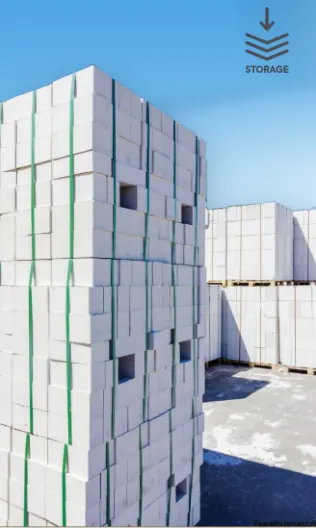 Read about this approach
- Readiness
- Moderate
- Storage duration
- 10,000+ years
- Reversal risk
- Negligible
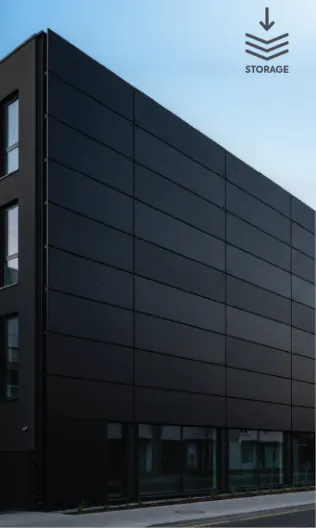 Read about this approach
- Readiness
- Moderate
- Storage duration
- Decades to centuries
- Reversal risk
- Moderate
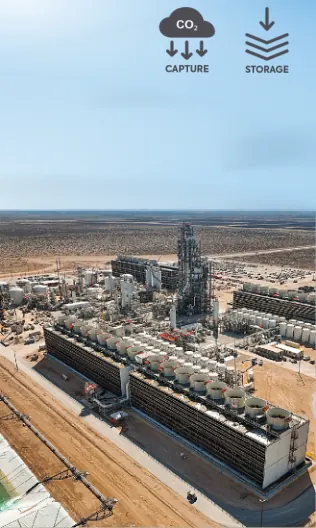 Read about this approach
- Readiness
- Moderate
- Storage duration
- 10,000+ years
- Reversal risk
- Negligible
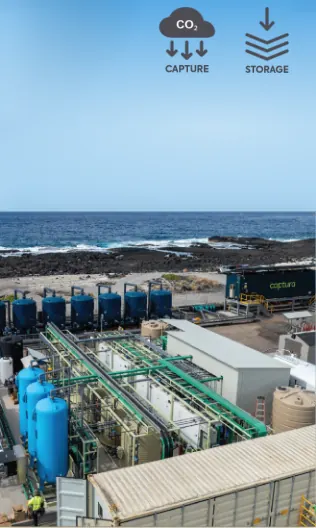 Read about this approach
- Readiness
- Low
- Storage duration
- 10,000+ years
- Reversal risk
- Negligible
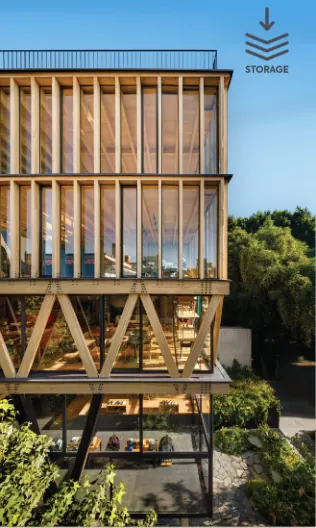 Read about this approach
- Readiness
- High
- Storage duration
- Decades to centuries
- Reversal risk
- Moderate
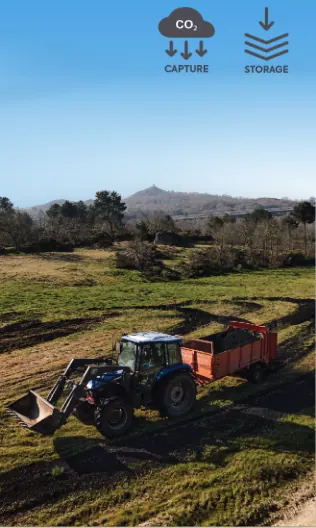 Read about this approach
- Readiness
- High
- Storage duration
- Centuries to millennia
- Reversal risk
- Low
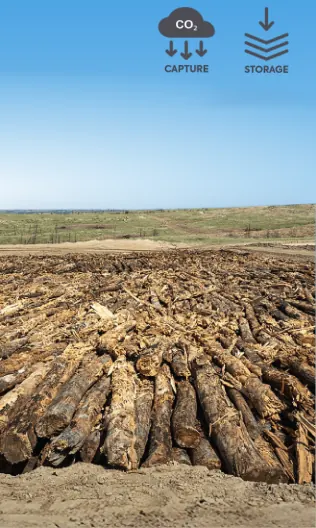 Read about this approach
- Readiness
- Low
- Storage duration
- Decades to centuries
- Reversal risk
- Moderate
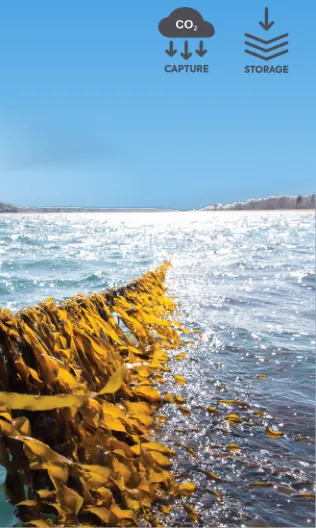 Read about this approach
- Readiness
- Low
- Storage duration
- Decades to centuries
- Reversal risk
- Moderate
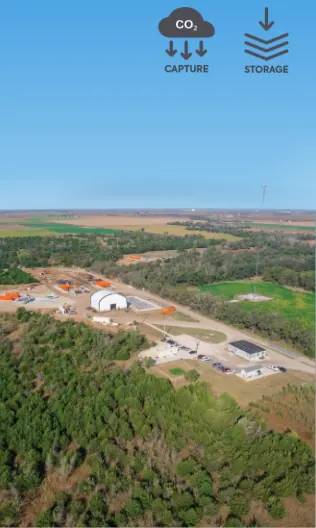 Read about this approach
- Readiness
- Moderate
- Storage duration
- 10,000+ years
- Reversal risk
- Negligible
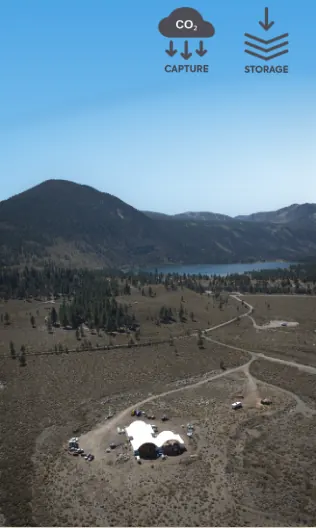 Read about this approach
- Readiness
- Moderate
- Storage duration
- Centuries to millennia
- Reversal risk
- Low
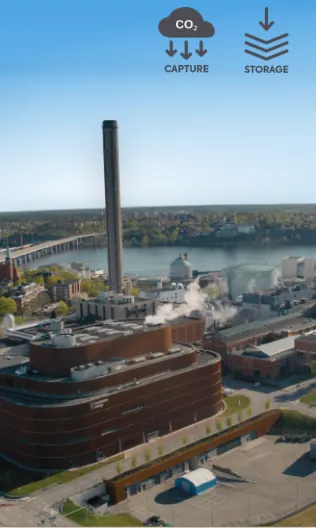 Read about this approach
- Readiness
- Moderate
- Storage duration
- 10,000+ years
- Reversal risk
- Negligible
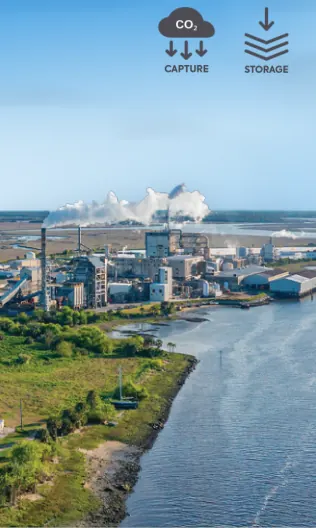 Read about this approach
- Readiness
- Moderate
- Storage duration
- 10,000+ years
- Reversal risk
- Negligible
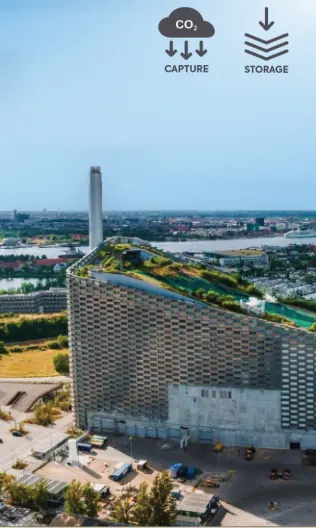 Read about this approach
- Readiness
- Moderate
- Storage duration
- 10,000+ years
- Reversal risk
- Negligible
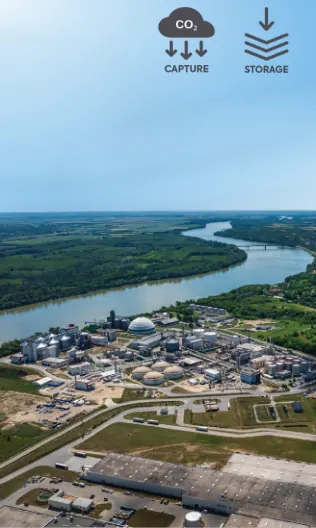 Read about this approach
- Readiness
- Moderate
- Storage duration
- 10,000+ years
- Reversal risk
- Negligible
Artwork and method assessments: Carbon Gap
An overview of various CDR methods, both conventional and novel.
“Scaling global carbon removal is an urgent and critical task. If done right, it offers benefits not only to the climate but also to communities,” says Dr. Injy Johnstone, Senior Research Fellow at the Max Planck Institute and co-founder of the Article 6 Observatory.
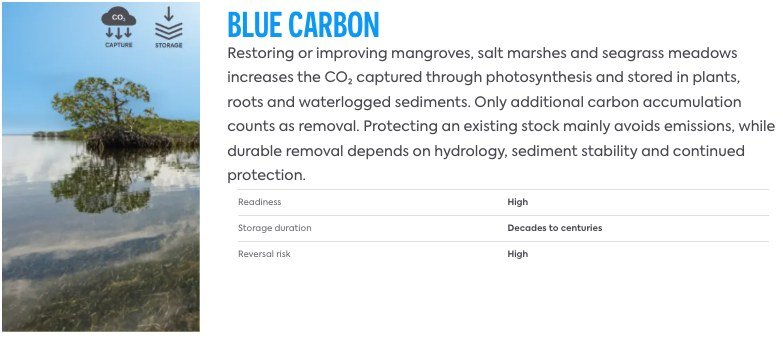
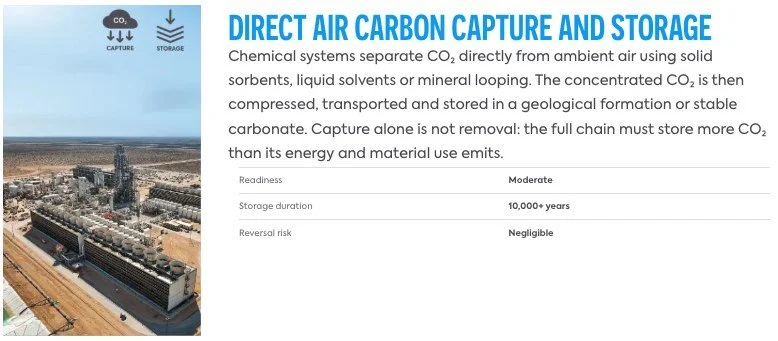
So, what do some of these methods that remove CO₂ from the atmosphere and store it look like? Let’s look at two examples, one conventional and one novel.
Nature-Based/Conventional
Engineered/Novel
Importance of Like-for-Like
Having a diverse portfolio does not mean that all carbon removals are interchangeable. Different types of emissions have different characteristics, and the type and durability of the removal used to balance them matters.
The like-for-like principle provides a useful framework for thinking about this. In simple terms, long-lasting fossil CO₂ emissions should be balanced with permanent carbon removals, while biogenic emissions can be balanced with removals that store carbon within the biological carbon cycle, including temporary removals. This helps ensure that the carbon we put into the atmosphere is matched by removal and storage that reflects the nature and timescale of the original emission.
Dr. Injy Johnstone explains why that distinction matters: “While the mechanisms for putting like-for-like into practice are complex, the climate science explaining why it is necessary is simple: we fundamentally cannot shortchange the atmosphere by drawing carbon from fossil fuels in the long carbon cycle while storing it in the short.”
The principle therefore does not diminish the importance of temporary or nature-based removals. Rather, it helps clarify the different roles that different CDR methods can play. Applying it means developing the full range of CDR approaches while also ensuring that we scale sufficient permanent removal capacity to deal with fossil CO₂ emissions. Carbon Gap argues that this distinction is important for achieving what it calls durable net-zero.
No Time to Waste
As we pass the 1.5 degrees warming mark, the climate is entering dangerous and uncertain territory. Extreme weather events and feedback loops of negative consequences will become more common. To prevent runaway climate change, we must institute structural emissions cuts, of course. However, the carbon removal sector simply must scale alongside this effort if we are to have a fighting chance at a stable climate long-term.