
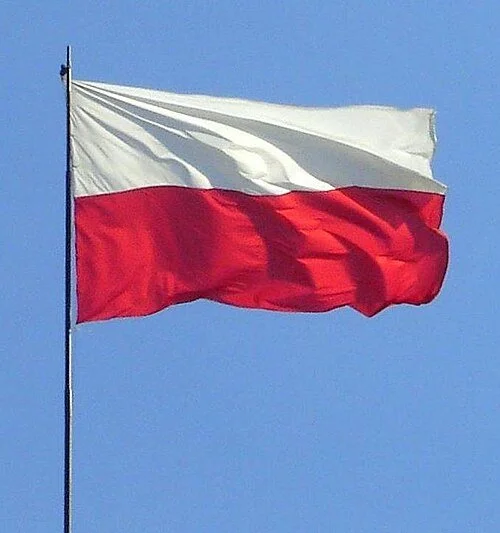
Polish CCUS Strategy
Position paper · December 2024
The Negative Emissions Platform (NEP) is a Brussels-based partnership of European and international organisations focused on carbon removals. Our members are primarily technology companies, but also include project developers, investors, carbon marketplaces, and buyers of carbon removals. We provide a forum in which diverse like-minded organisations actively collaborate to improve political and public recognition of carbon removals.
Executive Summary
The Negative Emissions Platform (NEP) applauds the publication of the draft CCUS Strategy developed jointly by the AGH University of Science and Technology and the WiseEuropa Foundation as part of the CCUS.pl project. National level action on carbon management will be critical in driving these climate critical technologies forward, and we are encouraged to see frontrunners in Poland already taking proactive measures in this domain.
NEP is encouraged to see some carbon dioxide removal (CDR) technologies included in the draft CCUS Strategy. While this is undoubtedly a positive starting point, NEP strongly believes that the draft strategy could elevate Poland’s ambition and comprehensiveness in this regard. Effective CDR initiatives are essential for achieving long-term climate goals, and Poland is well-positioned to lead in this area.
Concretely, NEP calls for the following actions to be considered:
Establish a dedicated strategy for permanent CDR: A specific and standalone strategy focused on carbon dioxide removal would provide clear direction, ensuring CDR receives the attention and resources necessary for impactful implementation.
Conduct a CDR capacity mapping: Undertaking a detailed assessment of Poland's capacity for CDR will be critical to identify opportunities, gaps, and priorities for scaling efforts.
Set national targets for permanent CDR: Establishing ambitious yet achievable targets for permanent CDR will provide a clear framework for progress, enabling stakeholders to align their efforts toward measurable outcomes.
Set out national financing initiatives / programmes: Creating targeted funding mechanisms and incentives will accelerate the development and wide-spread deployment of CDR projects, helping to counterbalance the residual, hard-to-abate emissions in Poland’s industry and economy (Goal 7). This includes innovation funding, carbon contracts for difference, public procurement, and the voluntary carbon market.
Ensure inclusion of atmospheric or biogenic CO₂ injections in geological storage: Immediate action on infrastructure is crucial for the successful deployment and scaling of carbon management technologies. CO₂ injection capacity should be designed to include atmospheric and biogenic CO₂ storage, not just fossil CO₂, to maximise the long-term potential of CDR for climate goals.
Integrate CDR into existing sectors / industries: Embedding CDR initiatives within key sectors such as energy, manufacturing, and agriculture will foster innovation, efficiency, and broader adoption of removal technologies.
Tackle sustainability concerns with strong certification methodologies: It is crucial to develop robust methodologies for CDR, to ensure that carbon removal activities follow credible and transparent standards. The EU's Carbon Removal & Carbon Farming Certification Framework is a key initiative in this regard.
Explore international cooperation opportunities to support project uptake: Collaboration with international partners can provide access to best practices, advanced technologies, and funding opportunities, accelerating the uptake of impactful CDR projects in Poland.
Background
Carbon dioxide removal (CDR) is no longer optional. Alongside steep emissions reductions, CDR is a critical pillar in achieving national, regional, and global carbon neutrality targets and is indispensable for reaching negative emissions to avert the severe threats posed by the climate crisis (IPCC, AR6 Synthesis Report, 2023).
Scaling this industry is not only a climate necessity but also a strategic opportunity for member states and the EU to assert global leadership. By 2050, the sector is forecasted to grow into a €220 billion annual market, creating 670,000 jobs across Europe (McKinsey, 2023; BCG & DVNE, 2024). Every Member State has the chance to capitalise on this immense economic potential while driving forward the Union’s ambitious climate objectives.
Despite its promise, the CDR sector remains in its infancy and must undergo rapid and substantial growth to meet escalating future demands. Immediate and decisive action is required, including robust funding, policies, and the establishment of a comprehensive CO₂ transport and storage network. Achieving this will necessitate seamless coordination and harmonisation of regulations across European and international frameworks to unlock the full potential of this transformative industry.
1. Distinction between CCS, CCU & CDR
Understanding the differences between Carbon Capture and Storage (CCS), Carbon Capture and Utilisation (CCU), and Carbon Dioxide Removal (CDR) is key to effective climate policy and decision-making. Here’s how they differ:
CCS (Carbon Capture and Storage): Captures CO₂ emissions from industrial or energy sources and stores them permanently underground to prevent atmospheric release. It’s a tool for reducing emissions but not for removing existing atmospheric CO₂.
CCU (Carbon Capture and Utilisation): Captures CO₂ and repurposes it into new products, such as fuels or building materials. The climate benefit depends on how long the CO₂ stays stored or neutralised in the product.
CDR (Carbon Dioxide Removal): Removes CO₂ directly from the atmosphere and stores it in stable reservoirs like rocks, oceans, soils, or long-lasting products. This approach actively reduces atmospheric CO₂ levels and is necessary for achieving net-negative emissions. Methods include biochar carbon removal, enhanced rock weathering, marine CDR, direct air capture, bioenergy carbon capture and storage, CO₂ stored in concrete.
Key Considerations
CO₂ from the atmosphere contributes to “carbon negative” outcomes when permanently stored.
CO₂ from fossil fuels, when stored, is “carbon neutral” and only serves to mitigate emissions, not remove them.
Whilst NEP welcomes that the draft CCUS Strategy includes measures to support DACCS and BECCS, NEP would like to highlight that there are many more CDR methods that store CO₂ permanently. This diversity should be reflected in the Strategy and future policy formulation.
2. Dedicated CDR Strategy
Recognising the unique and crucial role that CDR plays in achieving climate objectives, NEP strongly calls on Poland to develop a comprehensive and dedicated CDR Strategy. This strategy should set out clear, targeted policies to support the development and deployment of CDR technologies, alongside a robust framework for financing mechanisms specifically tailored to this sector.
By establishing a focused approach, Poland can ensure that CDR becomes a core component of its climate action plans, driving innovation, attracting investment, and positioning itself as a leader in sustainable solutions while making a significant contribution to global emissions reduction targets. Such an approach is already being taken by Germany, who are currently drafting a Negative-Emission Strategy, and the Netherlands, who are drafting a CDR roadmap.
3. CDR capacity mapping
The CDR sector is still developing and innovating rapidly, with many technologies promising long-term CO₂ storage. However, no single solution will be sufficient to meet the scale needed to achieve climate goals. Due to the diverse resources across EU countries, certain CDR technologies will be more suitable for some Member States than others, depending on factors like access to renewable energy, geological storage, and access to sustainable biomass, among others.
Adopting a portfolio approach to CDR would increase security and improve the chances of meeting climate targets. NEP recommends Poland to conduct a mapping exercise of its CDR potential that includes a varied portfolio of CDR activities tailored to its context. The mapping exercise should involve an examination of Poland’s geographical, environmental, and technological landscape to identify which CDR methods align most effectively with the country's capabilities and constraints. This could include identifying assets that could be repurposed for CDR projects.
By identifying the most scalable and impactful CDR technologies, Poland can strategically focus its efforts on those methods that offer the greatest potential for widespread implementation and significant emissions reductions. This process will enable the development of targeted policies tailored to the unique needs of these technologies, ensuring that regulatory frameworks, incentives, and support mechanisms align with their scalability.
NEP would welcome an opportunity to provide a workshop where we could present an overview of the diverse range of permanent CDR technologies available today.
4. Climate Targets
Climate targets play a pivotal role in holding countries accountable for their commitments, offering a level of certainty and facilitating long-term planning for businesses and investors who depend on predictability.
NEP is encouraged to see some concrete numbers for negative emissions in the CCUS Strategy. Nevertheless, NEP urges the Polish government to adopt targets for 2035, 2040 and 2045 in its national climate legislation, in particular establishing separate sub-targets for gross-emissions reductions, permanent CDR and LULUCF (land sinks). Enshrining targets into law would create essential business certainty, both for CDR project developers and those looking to buy or invest in CDR projects. Regulatory clarity is fundamental to business confidence and economic growth, and binding targets are a critical first step in achieving this. By clearly separating CDR from emissions reductions in its climate strategy, Poland can also mitigate the risk of mitigation deterrence, ensuring that CDR initiatives complement rather than substitute emissions reduction efforts.
5. Financial Support for CDR
The permanent CDR sector predominantly consists of start-ups facing significant challenges in securing the necessary funding to launch first-of-a-kind or next-of-a-kind projects. Overcoming the “valley of death” (the missing scale-up financing to transition from early-stage demonstrations to technologically mature commercial deployment) is among their most pressing obstacles. Hence, enhanced financial support from both government and private sector stakeholders is essential to strengthen and grow this emerging sector.
Beyond meeting climate objectives, Poland has the opportunity to position itself as a hub for the CDR industry, fostering growth and employment as it transitions to a low-carbon economy. By nurturing a dynamic ecosystem around CDR technologies, Poland could attract research institutions, start-ups, and industry leaders to establish operations within its borders.
We commend the Strategy’s vision on financial support for carbon management and recommend exploring additional levers across the presented actions:
a) Leveraging EU Funds for Research, Development, and Innovation
We recommend that Poland capitalises on “Grants-as-a-Service” and “Auctions-as-a-Service” mechanisms, which are increasingly emphasised within EU funding programmes, to secure per-tonne subsidies for domestic CDR projects. For instance, the latest EUR 2.4 billion Innovation Fund (IF24) Call supports decarbonisation projects, including BECCS and DACCS. Under this programme, Member States can complement IF24 funding through national schemes, leveraging the EU’s streamlined evaluation and state aid approval processes.
In addition, the government could support the establishment of a one-stop advisory hub, modelled after the InvestEU Advisory Hub, to provide guidance for Polish enterprises investing in CDR technologies. This would simplify access to funding and regulatory pathways, enabling more efficient implementation of projects.
Moreover, the government could consider creating a centre of excellence to strengthen local expertise in CDR and industrial decarbonisation. Such a hub could foster research, development, and knowledge exchange, attracting top talent to address cutting-edge challenges. Vocational training and educational programmes could be launched to build a skilled workforce capable of advancing CDR technologies in Poland.
b) Leveraging the Industrial Decarbonisation Fund for Procurement
We recommend expanding the scope of the proposed Industrial Decarbonisation Fund to include public-private procurement programmes as it represents an excellent opportunity to catalyse domestic CDR deployment.
A procurement programme could serve as a powerful accelerator for CDR providers, enabling them to scale operations in the short to medium term until markets become fully operational. Such a programme should support a portfolio of CDR methods and procure carbon removal at various price points to advance cost reductions. It can be designed to match or supplement public funding by private investments to maximise impact. A procurement mechanism would contribute to achieving Poland’s commitments outlined in its National Energy and Climate Plan (NECP) and provide the government with valuable experience to leverage the EU’s Auctions-as-a-Service mechanism in future procurement initiatives.
The US has demonstrated the feasibility of a sovereign CDR purchase programme which it is harnessing to elicit corporate commitments.
US Department of Energy’s CDR Purchase Pilot Prize
Launched in September 2023, the USD 35 million CDR Purchase Pilot Prize aims to advance CDR technologies by allowing companies to vie for the opportunity to directly sell CDR credits to the US Department of Energy.
Applicants must formulate carbon dioxide purchase agreements through a pilot project delivering third-party verified CDR. A maximum of 10 teams will be selected, each eligible for a purchase award prize of up to USD 3 million.
The prize is accessible to innovations in four CDR technology pathways: DAC, biomass technologies, enhanced geological weathering and enhanced mineralisation technologies, and planned and managed carbon sinks.
c) Launching Carbon Contracts for Difference (CCfD)
NEP welcomes the proposed introduction of a CCfD programme in Poland in the CCUS Strategy and urges that CCfDs also be applied to CDR, as it can provide the long-term revenue certainty needed to attract investments in CDR projects.
Poland could implement CCfDs through competitive auctions, where a diverse pool of CDR providers bids to secure long-term contracts. These contracts would guarantee suppliers a stable and predictable income, using either the price of EU allowances or the average sale price of CDR providers in preceding months as a reference point for payments. CCfDs could be funded through the proposed Industrial Decarbonisation Fund, supplemented by other sources. We recommend considering different CDR methods, with separate CCfDs tailored to each, to avoid price discrimination.
An increasing number of countries are recognising CCfDs as an effective mechanism to bridge the gap between market prices and the costs of deploying innovative technologies. Poland’s adoption of CCfDs would position it as a leader in fostering the growth of the CDR sector.
UK Contract for Difference for renewable energy
The UK’s Contracts for Difference (CfDs) scheme helps support new low carbon infrastructure. Under the CfDs, a predetermined electricity price, referred to as a strike price, is guaranteed to generators for each unit of power they produce. This mechanism ensures that generators either receive a subsidy up to the established price when the wholesale electricity price is lower or repay any excess above the set price, providing them with a consistent income based on the strike price.
Since its inception in 2014, the CfD scheme has effectively attracted investments in 29.4 gigawatts of renewable energy generation with 6.4 GW currently in operation. In 2022, projects supported by CfDs contributed enough energy to power 7 million homes and reduced CO₂ emissions by 5,822,352 metric tons.
d) Supporting Revenue Stackability
Enabling the stackability of multiple revenue streams is crucial for accelerating the deployment of CDR at scale, ultimately driving down costs. This approach is particularly important given the high capital and operational expenditures associated with CDR projects. To this end, Poland’s procurement and CCfD programmes should be designed to allow CDR providers to combine these mechanisms with EU subsidies and/or market revenues, while ensuring additionality and avoiding double subsidies. By enabling stackable revenue streams, the government can maximise the impact of its financial support, while Polish CDR suppliers gain the opportunity to advance along experience curves, improving cost efficiency over time.
Swedish State Aid to Support BECCS
The Swedish government has allocated EUR 3.3 billion for BECCS projects from 2026 to 2046. This funding will be distributed to entities that can capture and store biogenic CO₂ at the lowest cost, determined through reverse auctions.
Successful bidders will receive support designed to boost investor confidence. Under 15-year contracts, beneficiaries will receive grants per tonne of permanently stored biogenic CO₂. The aid will be adjusted to account for revenues from voluntary carbon markets and other public support received by the same project. The competitive bidding process thus ensures cost efficiency and fair distribution of funds.
The European Commission approved Sweden’s reverse auction scheme on 2 July 2024, and the first auction closed on 21 November 2024.
e) Voluntary Carbon Market
Whilst acknowledging the positive proposal for CCfD outlined in the CCUS Strategy, it is crucial to highlight that CDR faces broader financing challenges. The European Commission is actively exploring solutions to these challenges, including the development of a public-private purchasing programme and the establishment of a compliance market for CDR. These initiatives aim to provide additional and reliable financial streams to support the scaling and deployment of CDR technologies.
In the short term, however, the voluntary carbon market (VCM) will remain a vital source of funding for CDR. It plays a key role in attracting private investment to the sector, enabling early-stage development and deployment of innovative technologies. The ongoing negotiations on the EU’s Green Claims Directive will be instrumental in supporting the growth of the CDR market. By setting clear guidelines and ensuring credibility in climate claims, the Directive can boost confidence in VCM, thereby encouraging greater private-sector engagement.
Additionally, the practice of co-claiming, where both corporate and national climate systems can account for the same mitigation outcome in their separate ledgers, should be promoted, just as is done today with regard to emission reductions. Co-claiming offers a practical mechanism to align public and private funding efforts, ensuring that resources are pooled effectively to scale CDR technologies. This approach not only enhances the financial viability of CDR projects but also supports countries in achieving their climate targets under international agreements. By fostering collaboration between corporate actors and governments, co-claiming can bridge funding gaps and accelerate the deployment of robust CDR solutions, while minimising the cost for taxpayers.
6. Geological storage
NEP is encouraged by the comprehensive approach outlined in Poland's CCUS Strategy, particularly in relation to the development of underground storage, the exploration of international storage options, and the plans to establish the requisite infrastructure for CO₂ transport and storage. These elements are crucial for the successful scaling up of carbon management technologies, and it is vital that work on these infrastructure components begins without delay to ensure the swift deployment of carbon management technologies.
Additionally, NEP emphasises the importance of ensuring that CO₂ injection capacity is designed with the recognition that it must also accommodate the storage of atmospheric and biogenic CO₂. This consideration will be crucial for the long-term scale up of CDR. Failure to account for this could limit the potential impact of CDR in helping Poland meet its climate goals.
7. Carbon removal methodologies
The CCUS Strategy raises concern over the supply of sustainable biomass. However, NEP would like to highlight the important scientific evidence on bioenergy and biomass availability. It is essential that CDR technologies are based on robust methodologies which incorporate sustainability considerations, such as using sustainably sourced biomass.
The IEA Net-Zero Roadmap concluded a sustainable bioenergy potential between 150 and 170 EJ by 2050. The sustainable bioenergy availability in the last IPCC report was estimated to be between 55 and 300 EJ. The Dutch Environmental Assessment Agency (PBL) suggests an EU share of bioenergy potential of 6 to 24 EJ in 2030, with a more uncertain estimate of 2050 availability of 5 to 19 EJ. It is worth noting that all these estimates take account of ensuring food security and environmental constraints. The European Scientific Advisory Board on Climate Change suggest iconic pathways to emissions reductions using between 5.3 and 10.3 EJ. This reflects an assignment of risk associated with bioenergy use of above 9 EJ; this estimate is highly conservative when compared to the sustainable biomass availability calculated by the IEA, IPCC, and PBL. Recent paper by Alexandra Deprez et al. ‘Sustainability limits needed for CO₂ removal’ suggests that sustainable limits for carbon removals through BECCS are up to 2.8 Gt per year globally.
Efforts to address these challenges are already underway at the EU level through initiatives such as the Carbon Removal and Carbon Farming Certification Framework (CRCF). This framework is designed to establish standardised methodologies that ensure the credibility and transparency of CDR technologies. The CRCF aims to operationalise methodologies for a range of technologies (DACCS, BioCCS, and biochar carbon removal) by 2026, thereby laying the groundwork for scalable and accountable deployment of these solutions.
8. Integration of CDR into existing sectors and industries
A dedicated CDR Strategy should thoroughly explore how CDR technologies can be integrated into existing industries. The draft CCUS Strategy already takes steps in this direction, particularly in the context of BECCS and industries such as cement, lime, and municipal waste. This approach is a positive start, and NEP welcomes this progress. However, as previously noted, the CDR sector is diverse, and there are many other innovative ways to incorporate CDR into a wide range of industries.
For instance, methods like biochar carbon removal and enhanced rock weathering, particularly when applied to soil, have been shown to not only permanently store atmospheric CO₂ but also improve soil health and crop yields. These techniques present valuable opportunities for advancing sustainable agricultural practices while contributing to the broader CDR effort.
Furthermore, CO₂ storage in concrete not only sequesters CO₂ permanently, but it also benefits the built environment by enhancing the sustainability of new constructions. By integrating CO₂ into the production of concrete, Poland can reduce the carbon footprint of the construction industry, an essential part of the country's economy, while supporting the long-term goal of net-zero emissions.
By identifying and fostering these various pathways for CDR integration, Poland can build a more holistic and impactful strategy that benefits multiple sectors simultaneously, aligning economic growth with environmental sustainability.
9. International dimension
The climate crisis is a global crisis that requires countries working together. Poland should consider the following opportunities for international collaboration:
Carbon markets: A significant milestone was achieved during COP29 in Baku, Azerbaijan, concerning Article 6 of the Paris Agreement, which solidified the establishment of a global carbon market. This creates opportunities for Poland to engage by either purchasing international carbon credits or hosting projects to sell credits globally. By focusing on initiatives that emphasise permanent CDR, Poland can accelerate the deployment of innovative solutions, support global climate goals, attract investment, and enhance its leadership in climate action.
Transport and logistics: In the EU Industrial Carbon Management Strategy, the Commission highlighted the importance of Member States in establishing an Important Project of Common European Interest (IPCEI) dedicated to CO₂ transport and storage infrastructure projects. IPCEIs provide a platform for several EU Member States to combine their knowledge, expertise, financial resources, and economic stakeholders to tackle specific challenges. NEP would encourage Poland to actively participate in such an initiative as a means of closely cooperating with other EU Member States.
Carbon Management Strategies: Given the growing number of countries that are coming forward with their own national carbon management strategies, it is essential to keep dialogue open between Member States, to harmonise rules, and to promote collaboration to support the uptake of the CDR sector.