
COP30’s first Carbon Removals Pavilion: what it changed and what comes next
For the first time inside UNFCCC climate negotiations, carbon dioxide removal had a dedicated, physical home: the CDR30 Pavilion at COP30 in Belém. Initiated and led by the Negative Emissions Platform (NEP) as a UNFCCC Observer, the Pavilion was built as a shared space for the whole CDR ecosystem - governments, scientists, civil society, investors, buyers, and project developers - to meet, compare notes, and move from “concept” to “implementation.”
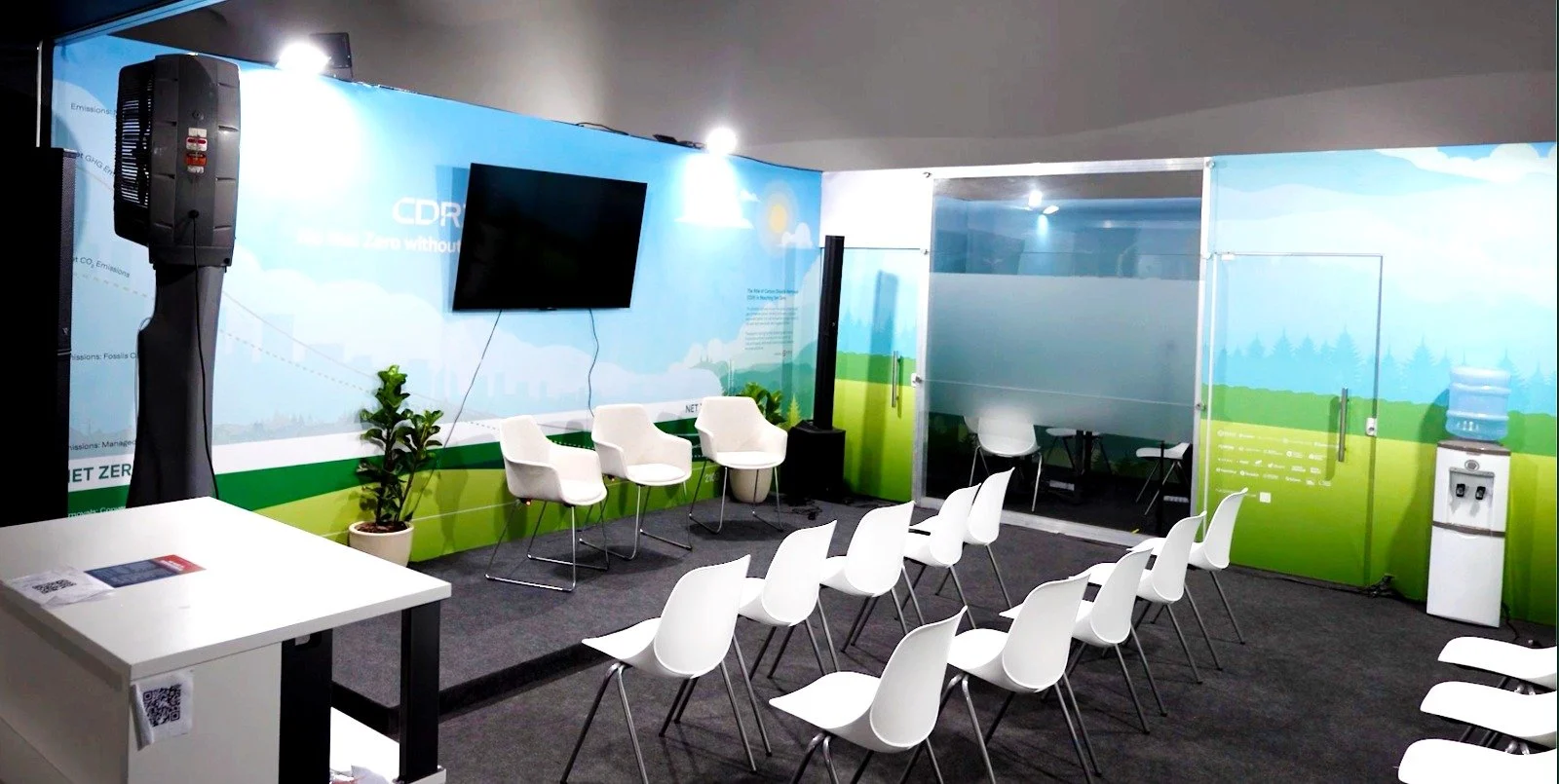
The first Pavilion representing carbon removals at a COP, CDR30, COP30, Belém
What the Pavilion delivered
A true hub for the CDR community: a place to convene, hold meetings, and welcome delegates who “wandered in” because the Pavilion made CDR visible and approachable.
A major boost in COP programming on CDR: around 36 in-person sessions in the Pavilion plus a Virtual Pavilion programme (10 sessions), effectively increasing the volume of COP content focused on carbon removals.
Cross-pavilion collaboration: active connections and cross-promotion with other thematic spaces (including science- and policy-focused pavilions).
Key conclusions from COP30’s first Pavilion
1) Carbon removals have entered the COP Action Agenda — and the conversation is shifting to delivery.
CDR had a larger role than at previous COPs, especially through the Action Agenda, with more delegates and institutions engaging seriously on “what scaling looks like.”
2) A “2030 lens” is now essential, not just 2050 or 2100.
A recurring message across sessions: without rapid progress in the next five years, CDR will remain too costly and underdeveloped to scale in line with climate pathways.
3) The launch of the CDR Mutirão set a new collaboration model for implementation.
At COP30, the Climate High-Level Champions, WBCSD, and the Group of Negative Emitters (GONE) launched the CDR Mutirão — a multi-year platform designed to accelerate implementation across governments, business, and hard-to-abate industries, structured around dedicated “launchpads” for coordinated action.
4) Government leadership is organising, with GONE gaining traction.
The Group of Negative Emitters (GONE), initiated by Denmark, is emerging as a focal point for national and subnational coordination on negative emissions: growing membership, a move toward a more robust secretariat, and a clearer role in connecting public actors with expertise and industry.
5) Finance, carbon markets, and integrity kept coming up, with Article 6 on everyone’s radar.
Discussions highlighted the need for credible routes to mobilise finance for both engineered and nature-based removals, while safeguarding environmental and social integrity — including how Article 6 and voluntary markets could evolve.
6) Technology takeaways were practical, not abstract.
Sessions reflected strong interest in biochar (notably high attendance), growing momentum for enhanced rock weathering, and continued attention on BECCS, DAC, and the need to elevate ocean CDR programming further at the next COP. Transparency and co-benefits were consistent themes.
What we’ll carry forward
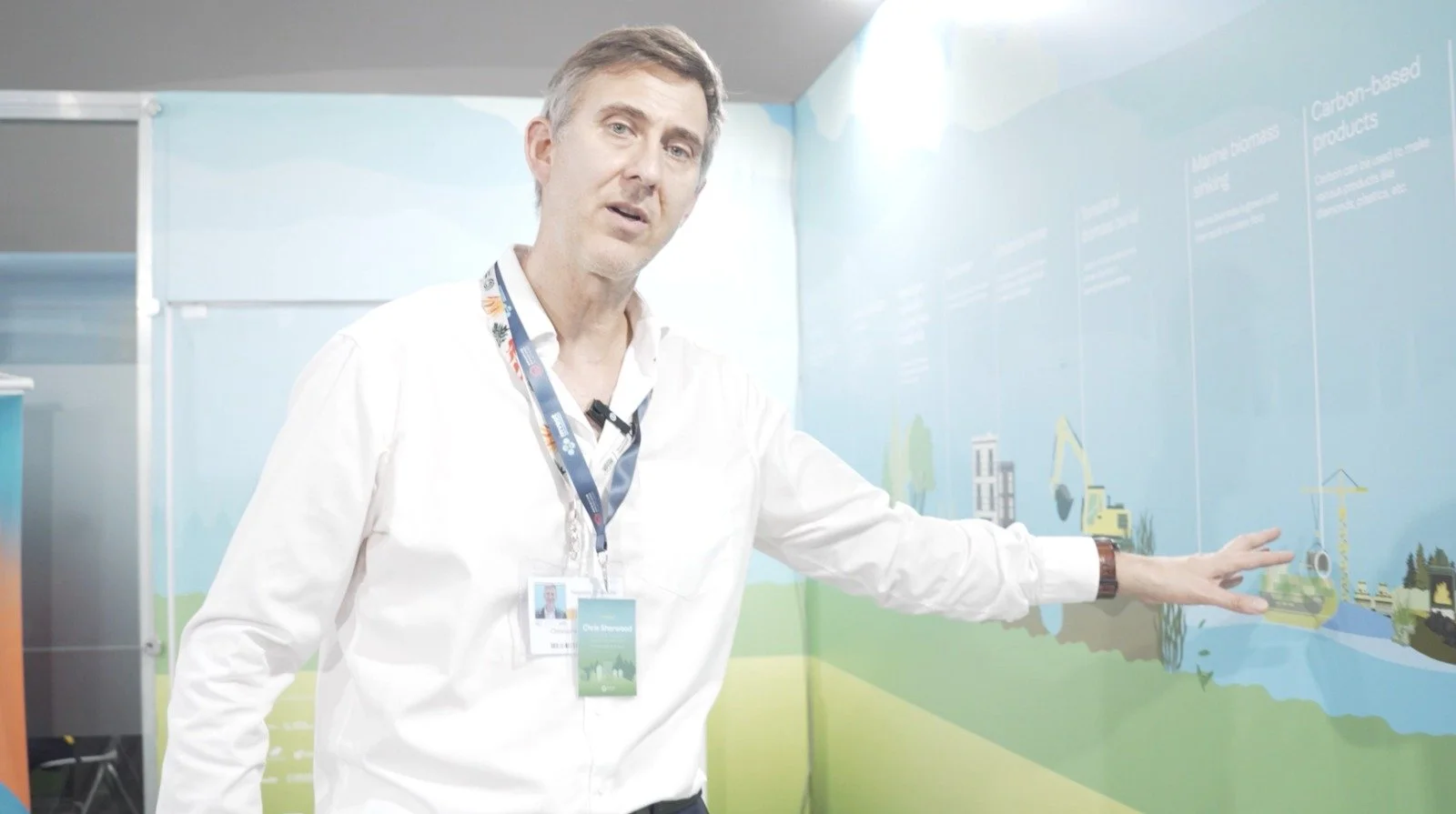
COP30’s first-ever Carbon Removals Pavilion proved the momentum is real: CDR is now firmly on the COP map, the ecosystem is aligning around action, and collaboration is accelerating because the community finally had a dedicated home.
NEP led the creation and delivery of this Pavilion. We’re ready to build on this success. We intend to bring an even stronger, bigger Carbon Removals Pavilion to COP31 in Turkey, expanding the programme, widening participation, and turning COP-week energy into year-round progress.
Additional resources
CDR30 (events + articles)
CDR Mutirão announcement (article)
CDR30 overview (video)
Tour of the CDR30 Pavilion (video)
NEP post-COP30 briefing (video)
What is NEP (video)